

Axle and Tongue Fabrication Explained: When Is It Necessary?
September 30, 2026
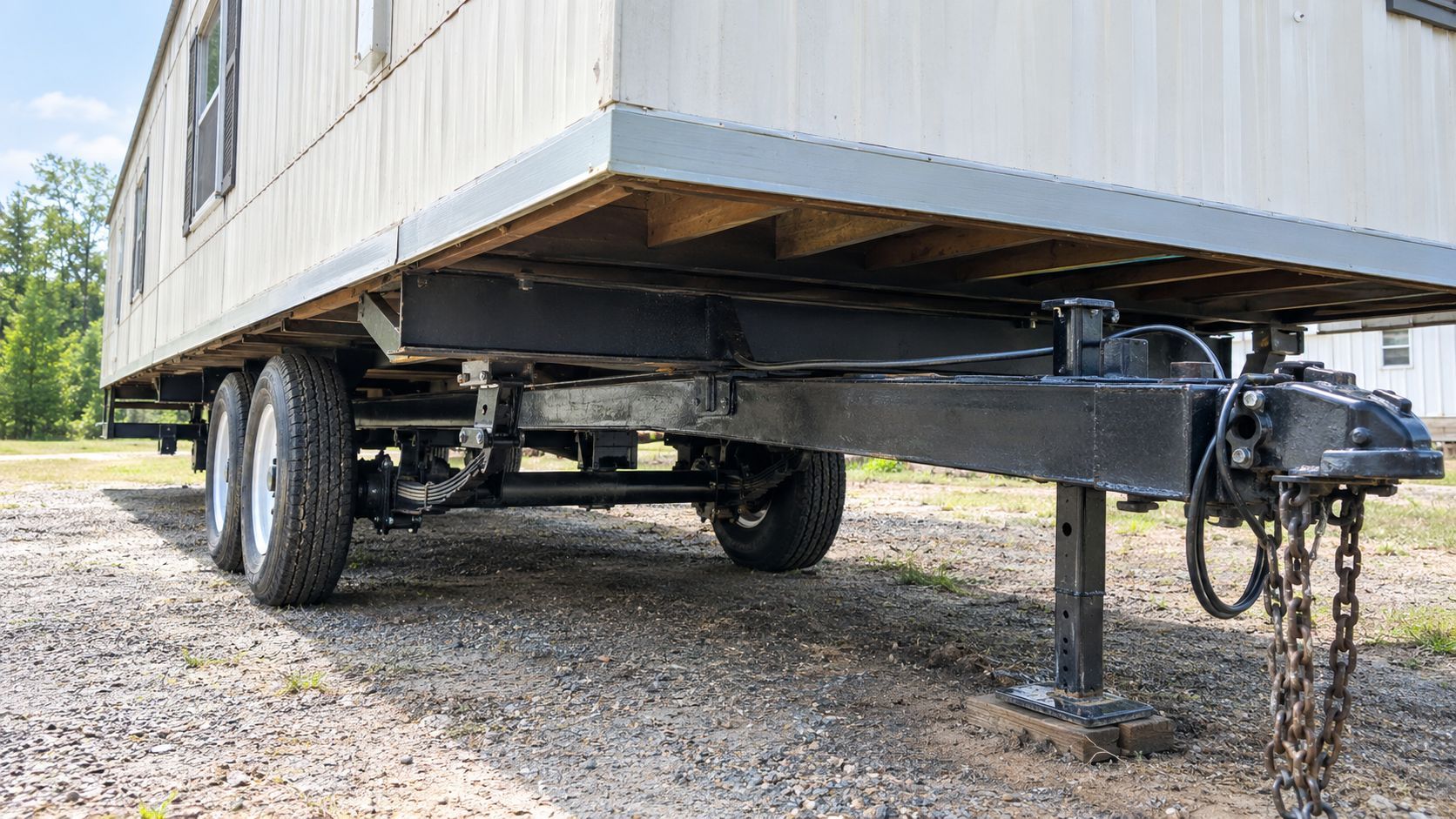
Quick Answer: Axle and tongue fabrication is the work of building, repairing, or replacing the running gear a mobile home rides on during a move: the steel axles, springs, hubs, and the hitch tongue that connects the frame to the tow truck. It becomes necessary when the original axles or tongue are missing, bent, cracked, or badly rusted, or when they are not rated for the home as it weighs today. A home that cannot be coupled and carried on sound running gear cannot be moved safely, so this work comes first, before the route, the crew, or the date.
You walk around the back of the home with the buyer of your old place, or with the mover you called, and you point to the spot under the front end where the hitch used to be. There is nothing there. Maybe the tongue was cut off years ago when the home was set on its piers. Maybe the axles were pulled and sold for scrap. Or maybe they are still there, sunk in the weeds under the skirting, crusted with rust and sitting on tires that went flat long ago. Either way, the same quiet question hangs in the air. How does this house get onto a road?
That question is where axle and tongue fabrication comes in. It is one of the least talked about parts of a mobile home move, and one of the most important, because every other step depends on it. The best route in the world and the most careful crew cannot help a home that has nothing safe to roll on. This guide explains what the work actually is, how to tell when your home needs it, when a move simply cannot proceed without it, and what the process looks like from the first inspection to the day the home is ready to roll.
What Axle and Tongue Fabrication Actually Means
A manufactured home is built on a steel chassis made of two long main beams with cross members between them. When the home leaves the factory, it travels on temporary running gear bolted to that chassis. That running gear has a few main parts:
Axles
Heavy steel beams that carry the weight of the home through the wheels. Most single wide homes travel on two axles, and larger or longer sections may use more. Industry guides commonly describe axle ratings somewhere between 7,000 and 21,000 pounds depending on the setup, which is why matching the axle to the actual home matters so much.
Springs And Hangers
The leaf springs and steel brackets that connect each axle to the chassis and let the home absorb bumps instead of passing every one straight into the frame.
Hubs, Bearings, And Wheels
The parts that let the wheels turn. These sit unused for years under most homes, and grease dries out, seals crack, and moisture gets in.
The Tongue
Also called the hitch or drawbar. This is the steel assembly at the front of the home that couples to the tow vehicle. It has to hold the home to the truck through every start, stop, turn, and bump for the whole trip.
Fabrication is the shop and field work of making those parts right for a specific home. That can mean building a new tongue to match a particular chassis, welding or bolting it into place, cutting and fitting new axle mounts, replacing rusted springs and hangers, or repairing a section of frame where the running gear attaches. Replacement is often part of it, but the word fabrication matters because many homes do not simply accept an off the shelf part. Older chassis vary, and a good fabricator measures, cuts, and fits steel to the frame in front of them.
Why So Many Homes Need It
Most mobile homes spend the majority of their lives stationary. After the home is set, the axles, tires, and tongue are typically removed, because they are transport equipment and not part of the permanent structure. Some owners leave them in place, tucked behind skirting. Others sell them. Either way, by the time the home needs to move again, the gear that carried it the first time is often gone or no longer trustworthy.
If you bought a used home, there is a good chance the seller kept the axles and tongue, or the previous owner got rid of them long ago. Even when a home still has its original running gear, time is rarely kind to it. In New England, a home can spend decades with moisture collecting under the skirting, road salt carried in on spring runoff, and repeated freeze and thaw cycles working at every joint. Steel that sat in damp, cold air for twenty or thirty years does not look or behave like steel that came off the factory floor.
There is also the weight issue. A home that has had an addition, a new roof, upgraded flooring, or a full interior remodel weighs more than it did when the original axles were selected. Running gear that matched the home in 1985 may not match it today.
Signs Your Home May Need Axle and Tongue Work
You do not need to be a mechanic to spot the warning signs. Walk the home with a flashlight and look for these.
No Tongue At The Front
If the chassis has no front hitch assembly, one must be fabricated or fitted before towing. This is a common reason for required fabrication work.
Missing Axles, Hubs, Or Wheels
Some homes have bare chassis components, while others may lack an axle, springs, hubs, or wheels. Missing running gear must be addressed before transportation.
Heavy Rust Or Flaking Steel
Surface rust is common, but deep pitting, peeling scale, or holes indicate serious deterioration. Damaged axles and springs can fail under towing loads and require replacement.
Bent Or Cracked Axles
A bowed axle or uneven tire wear can indicate bending. Cracks near welds or spring mounts are serious structural concerns requiring inspection before the home moves.
Tires That Are Cracked, Flat, Or Rotted
Stationary homes can have tires that appear usable but have brittle sidewalls. Cracking, dry rot, or structural damage makes tires unsuitable for safe towing.
Damaged Or Seized Bearings
Wheels should rotate freely by hand without grinding or excessive resistance. Dry, gritty hubs or seized bearings indicate service is needed before towing begins.
Cracked Welds Or Bent Steel Near The Front Of The Chassis
The tongue attachment area experiences significant stress. Cracked welds, bent steel, or patched frame sections may indicate previous damage or modifications requiring careful structural inspection.
TIP: Take clear photos of the underside, the front of the chassis, and every axle and hub before you call a mover. Good photos let a crew tell you what they expect to find and plan the right materials before anyone drives out to your lot.
When a Move Cannot Safely Proceed Without It
Some problems can be worked around. These cannot. A move should not go ahead until the running gear is sound when any of the following is true.
There Is No Tongue
Without a proper coupling point, the home cannot attach to a tow vehicle. The tongue must withstand highway forces and prevent accidental disengagement during travel.
The Axles Cannot Carry The Home
Missing, cracked, bent, or undersized axles cannot safely support the home. Axle capacity must match the home's weight and should never be determined through guesswork.
The Frame Is Damaged Where The Running Gear Attaches
Axles and tongues depend on sound mounting steel. Cracked or rusted-through chassis sections require repair before installing new running gear, preventing attachment failures during towing.
The Weight Distribution Is Wrong
Improper tongue weight can cause dangerous trailer sway or porpoising. Correct balance depends on axle placement and overall home weight, making fabrication specific to each chassis.
The Brakes Or Bearings Are Not Serviceable
Towing requires functional brakes and bearings, particularly on hills and bridges. Missing, seized, or damaged components can prevent safe stopping and require service before transportation.
WARNING: Never try to tow a mobile home with a borrowed hitch, a welded on pipe, or a set of mismatched trailer axles. A failed tongue or collapsed axle at highway speed can send a home across lanes, and there is no way to fix it once it is rolling.
What the Process Looks Like
Every home is different, but the work tends to follow a clear order. Knowing the order helps you plan your timeline and understand why the home may need to wait for it.
Step One: Inspection
The process starts with getting under the home. A crew inspects the chassis, the front end, the mounting points, any existing axles and springs, the tires, the hubs, and the general condition of the steel. They look at the length and type of the home, how many axles it will need, and how the weight is distributed. This is also where they find out whether the frame needs any repair before new parts can go on.
Step Two: Measuring and Planning
Next comes matching the running gear to the home. The crew measures the chassis width and length, confirms where the axles should sit, and works out what size tongue the frame needs. Homes that have gained weight since they were built are rated for their present weight, not the original.
Step Three: Fabrication and Fitting
The steel is cut, shaped, and welded or bolted to the frame. New tongues are built to fit the chassis. Axle mounts are set, springs and hangers go on, and everything is fitted square so the home tracks straight. Where the frame needs reinforcing or repair, that happens here, before the running gear goes on.
Step Four: Tires, Bearings, and Final Checks
Fresh or inspected tires go on, bearings get packed, and lug nuts are torqued. Lights and brakes are checked where the setup calls for them. A second inspection of every weld, bolt, and connection happens before anything is coupled to a truck.
Step Five: Lifting, Loading, and Moving
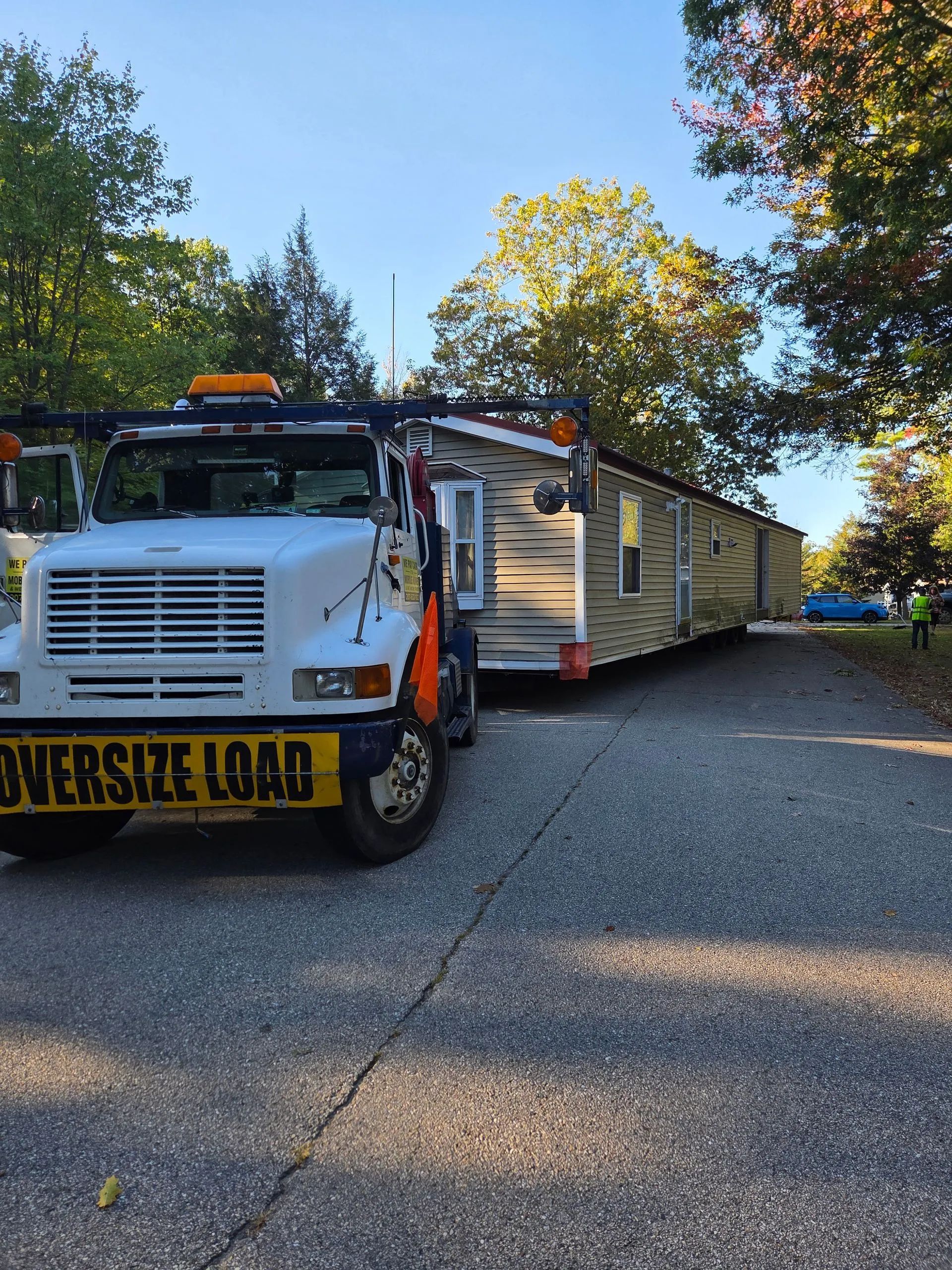
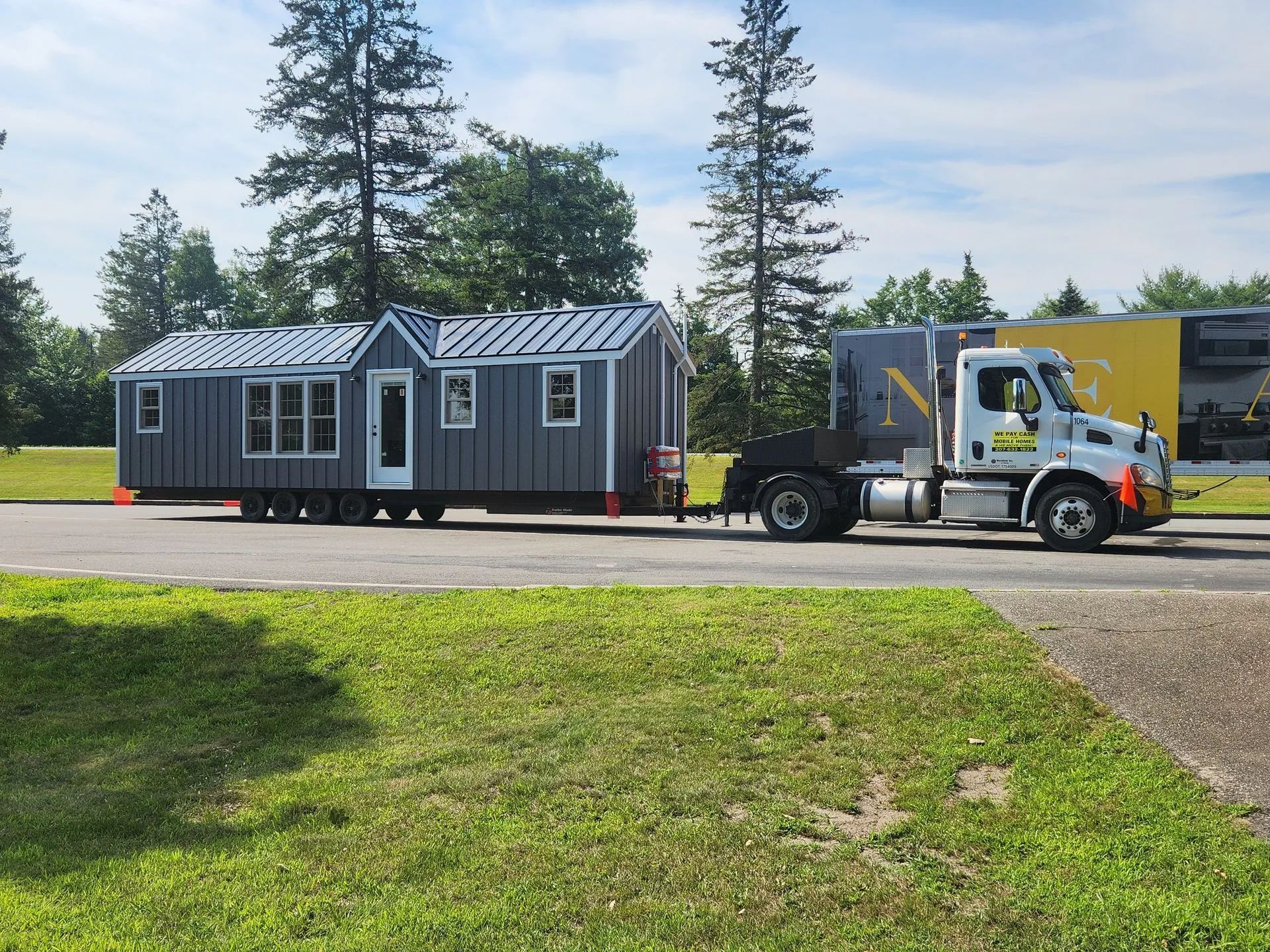
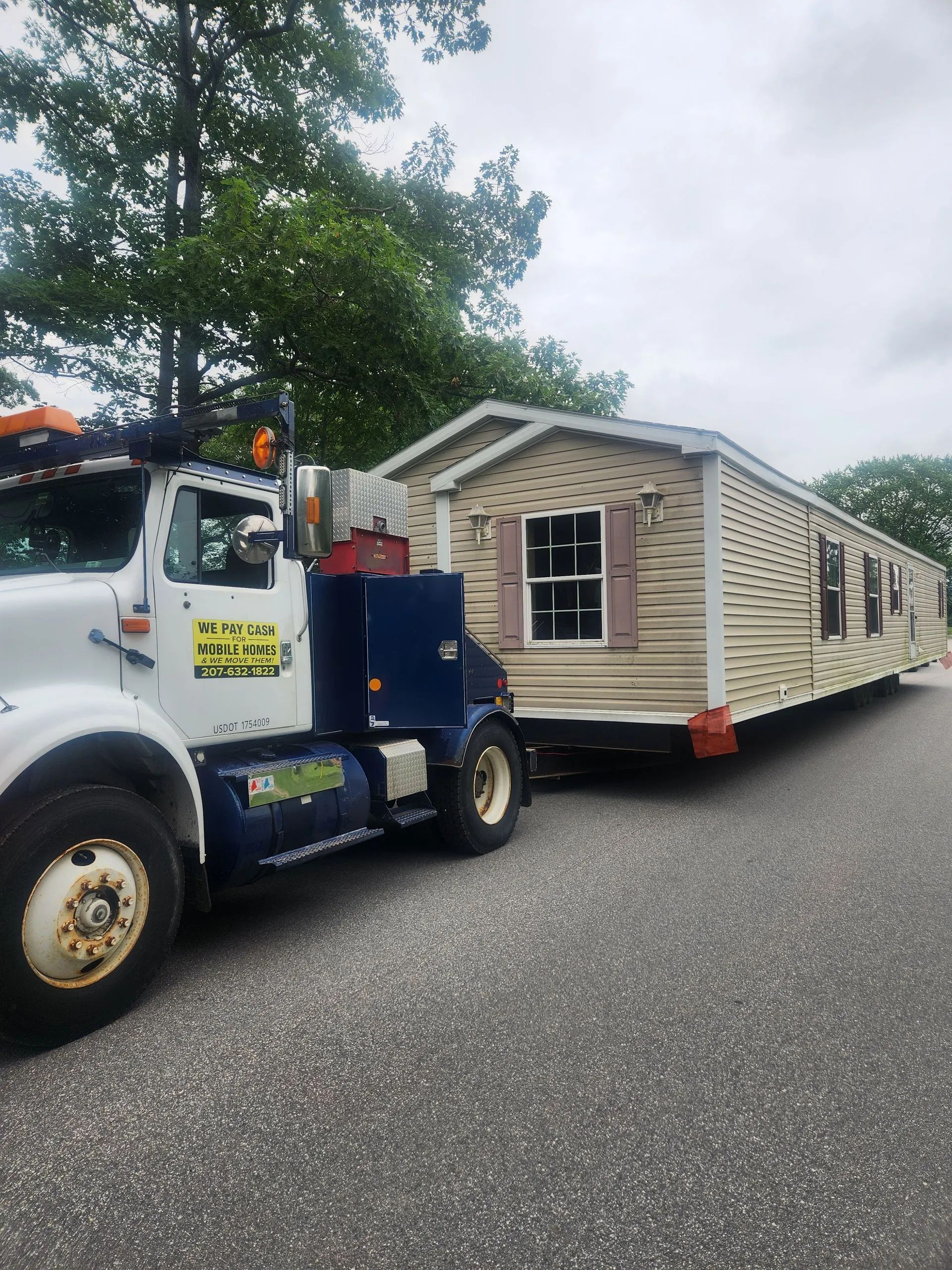
With the running gear in place, the home is lifted off its piers using hydraulic equipment and carefully lowered onto the axles. Only then does the tow vehicle back up to the new tongue. In some cases, a crane is part of the plan if the lot is tight or the home sits in a spot the trucks cannot reach directly. Once the home arrives, the same process runs in reverse, and the running gear is typically removed during setup.
Planning Around It in a New England Move
Axle and tongue work adds a step ahead of moving day, and it is easy to overlook until it is almost too late. A few practical points are worth keeping in mind.
Do It Early
Complete fabrication before moving day, not that morning. Discovering missing towing equipment shortly before transport can cause unnecessary delays.
Think About The Season
Frozen ground, snow, and mud can make access difficult. Schedule running gear work outside severe winter conditions when possible.
Tell The Truth About The Home's History
Disclose additions, roofing changes, and major remodeling. Extra weight affects axle selection and helps ensure the running gear matches actual conditions.
Ask About A Used Home Before You Buy
When buying a home for relocation, ask which running gear remains. Missing tongues or axles require planning and additional preparation before transport.
Frequently Asked Questions
Can a mobile home be moved without its original axles and tongue?
Yes, in most cases. A mover can build or fit suitable replacements as long as the frame is sound enough to carry them. The chassis matters most, and healthy steel can usually be fitted.
Why do movers remove the axles and tongue after setting a home?
They are transport equipment, so they are not needed once the home sits on piers or a foundation. Removing them also stops the wheels from rotting under the skirting, though the next move needs new gear.
How do I know if my home's existing axles are still safe?
Check for deep rust, cracks, bent steel, rotted tires, and seized bearings, then have a trained professional inspect them. Axles that have sat for decades are rarely worth trusting without a hands on check.
Does axle and tongue fabrication apply to double wide homes too?
Yes. A double wide moves as two separate sections, and each section needs its own running gear and tongue. Every half is fitted to its own chassis and weight.
Can I weld a tongue on myself?
It is not a good idea. The tongue carries the front of the home at highway speed, so the welds and steel must be right. Only use a tongue built and fitted for that specific chassis.
How long does the fabrication process take?
It depends on the frame's condition, the number of axles, and whether repairs are needed first. A home in good shape may need little time, while a damaged chassis takes longer. Your mover can give a realistic timeline after inspecting the underside.
Getting Your Home Ready to Roll Safely
Axle and tongue fabrication is not the most visible part of a mobile home move, but it is the part everything else depends on. A home with sound axles, sturdy springs, healthy bearings, and a tongue fitted to its own chassis can travel with confidence. A home without them cannot go anywhere. Checking the underside early, photographing what is there, and being honest about the home's history gives a crew what it needs to plan the right steel and the right timeline.
Worldlink Mobile Home Movers
in Naples, Maine, has spent 40
years inspecting, fabricating, and fitting running gear so homes reach their new spots in one piece. The lesson from all that work is simple. Time spent on the frame, the axles, and the tongue before moving day removes the surprises that cause delays and risk. When that foundation is right, the route, the crew, and the setup all fall into place.
Share this article