

Common Mobile Home Transport Mistakes and How to Avoid Them
August 30, 2026
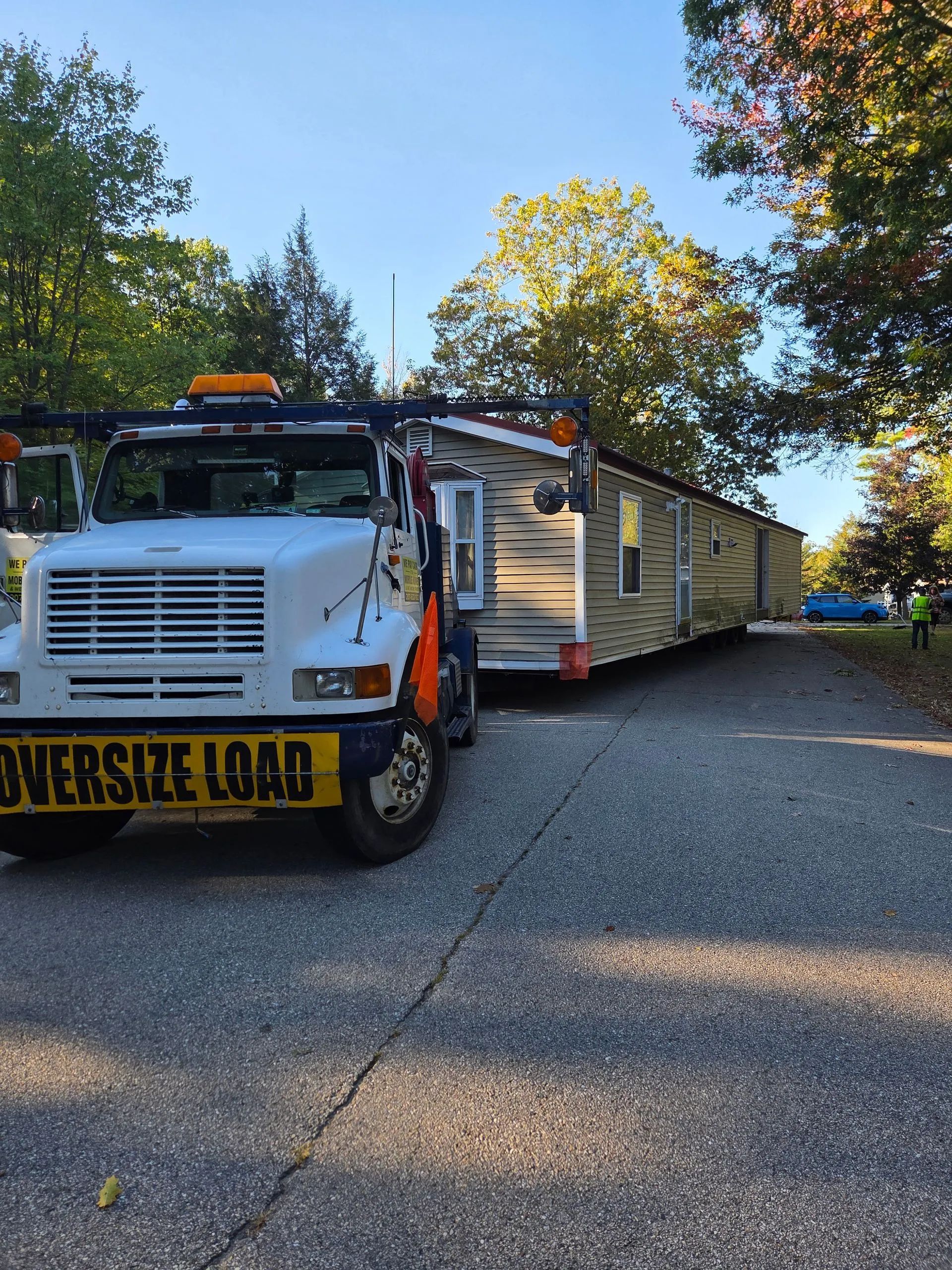
Quick Answer: The most common mobile home transport mistakes are skipping a pre-move structural check, hauling on worn axles or tires, planning a route without checking bridge and wire clearances, leaving utilities connected, hiring a mover without the right insurance, and setting the home on the new site without proper tie-downs. Each one is preventable with the right prep and an experienced crew. Catching these issues before moving day is the difference between a home that arrives intact and one that needs repairs before you've even unpacked.
You watch the tow vehicle back up to the hitch, and for a second your whole house is balanced on a set of wheels that haven't turned in years. That moment, more than any other in a mobile home move, is where things go wrong if nobody checked the details first. A home that's been sitting on its piers for a decade doesn't just roll onto the highway ready to go. It needs eyes on the axles, a plan for the road ahead, and a crew who's done this enough times to know what breaks when you skip a step.
Most damage during a mobile home move traces back to a handful of repeat offenders: rushed prep, an untested undercarriage, a route nobody drove first, and a setup crew that treats anchoring as an afterthought. None of these are exotic problems. They're the ordinary mistakes that happen when a move gets planned around a calendar date instead of the home itself. Here's what actually causes the damage, and what a careful mover checks before the wheels start turning.
Skipping the Pre-Move Structural Check
A home that's been parked for fifteen years has settled, shifted, and probably taken on some moisture it shouldn't have. Floor joists sag. Frame rails rust. Tow hitches loosen. None of that shows up from a walk-around glance, and none of it announces itself until the home is thirty miles down the road and something gives.
A real inspection means getting under the home. Someone needs to check the steel I-beam frame for rust-through or bends, look at the hitch and coupling for wear, and test the floor for soft spots near the marriage wall on double-wides. Roof seams and window frames matter too, since a home that flexes even slightly during transport will find every weak seam and open it wider. Skip this step and you're not moving a house. You're moving a house-shaped guess.
What Good Prep Looks Like
A pre-move inspection checks the frame, the floor, the roof line, and every water intrusion point before the home leaves its current site, not after.
Improper Axle and Tire Prep
Mobile homes ride on their own axles and tires, and those parts get almost no attention between moves. Tires develop dry rot from sitting in one spot for years, even if the tread looks fine. Bearings dry out. Axles that were rated for a single trip decades ago may not be rated for the weight of the home today, especially after additions, remodeling, or a heavier roof.
Worn tires blow out on the highway. A seized bearing can lock a wheel and drag the home sideways. An undersized axle can bend under a load it was never built to carry. None of these failures happen quietly. They happen at 45 miles per hour with traffic behind you.
TIP: Ask any mover you're considering how they inspect axles and tires before a move, not just whether they "check everything." A specific answer, like grease inspection, bearing pack, and tire pressure and tread checks, tells you they've actually done this before.
The fix. Bearings get packed, tires get inspected or replaced, and axle capacity gets matched to the home's actual current weight, not its weight when it was manufactured.
Poor Route Surveying for Low Clearances
A mobile home isn't a car. It's twelve to sixteen feet wide and often over thirteen feet tall once it's up on the toter. That means the shortest route on a map isn't always the route that works. Low railroad bridges, sagging utility wires, narrow rural roads with ditches on both sides, and tight turns at intersections can all stop a move cold, or worse, cause real damage if nobody caught them ahead of time.
Drivers who haven't physically checked the route ahead of moving day are gambling. GPS systems built for passenger vehicles don't know your home's height, and a road that looks fine on a satellite image can have a power line sagging two feet lower than it did last summer. A route survey means someone drives the planned path in advance, measures the tight spots, and has a backup route ready if the primary one has an obstruction that wasn't there before.
WARNING: Never trust a standard GPS app to route a wide load. It has no idea how tall or wide your home is, and it will happily send you under a bridge that's six inches too short.
Skipping Utility Disconnects
Before a home moves an inch, every connection to it has to come loose: electrical, water, sewer or septic, propane or natural gas, and any data or phone lines. Rushing this step, or assuming it's someone else's job, is how movers end up with a torn gas line or a snapped electrical mast still hanging off the roof.
Skirting has to come off too, along with any tie-downs, steps, decks, or add-ons attached to the home itself. Anything left connected becomes a tether that fights the home the moment it starts to roll, and something eventually snaps. A careful pre-move walk confirms every disconnect is done, capped, and safe before the home leaves the ground it's sitting on.
How A Careful Crew Handles It
A written checklist confirms electrical, water, sewer, gas, and skirting are all fully disconnected, with photos taken as proof, before the home is hooked to the tow vehicle.
Hiring an Uninsured or Unlicensed Mover
The cheapest quote on a mobile home move is sometimes the most expensive mistake you can make. A mover without proper cargo insurance, liability coverage, and a valid commercial license has nothing backing them up if something goes wrong on the road. If a home is damaged, delayed by a mechanical failure, or involved in an accident, an uninsured operator can leave you covering the cost and the headache alone.
Licensing also signals experience with the specific rules that apply to oversized loads: escort requirements, travel windows, and state-line paperwork vary, and a licensed operator has already built a process around them. This article isn't the place for a legal deep dive into permit rules, since those vary by state and change over time, but it's worth knowing that a legitimate mover handles that coordination as a routine part of the job, not as an afterthought.
Ask for proof of insurance before you sign anything. Ask how many years they've been moving homes specifically, not general freight. And ask what happens if something is damaged in transit. A mover with a real answer to that last question is one who's thought it through.
Insufficient Tie-Down and Anchoring at the New Site
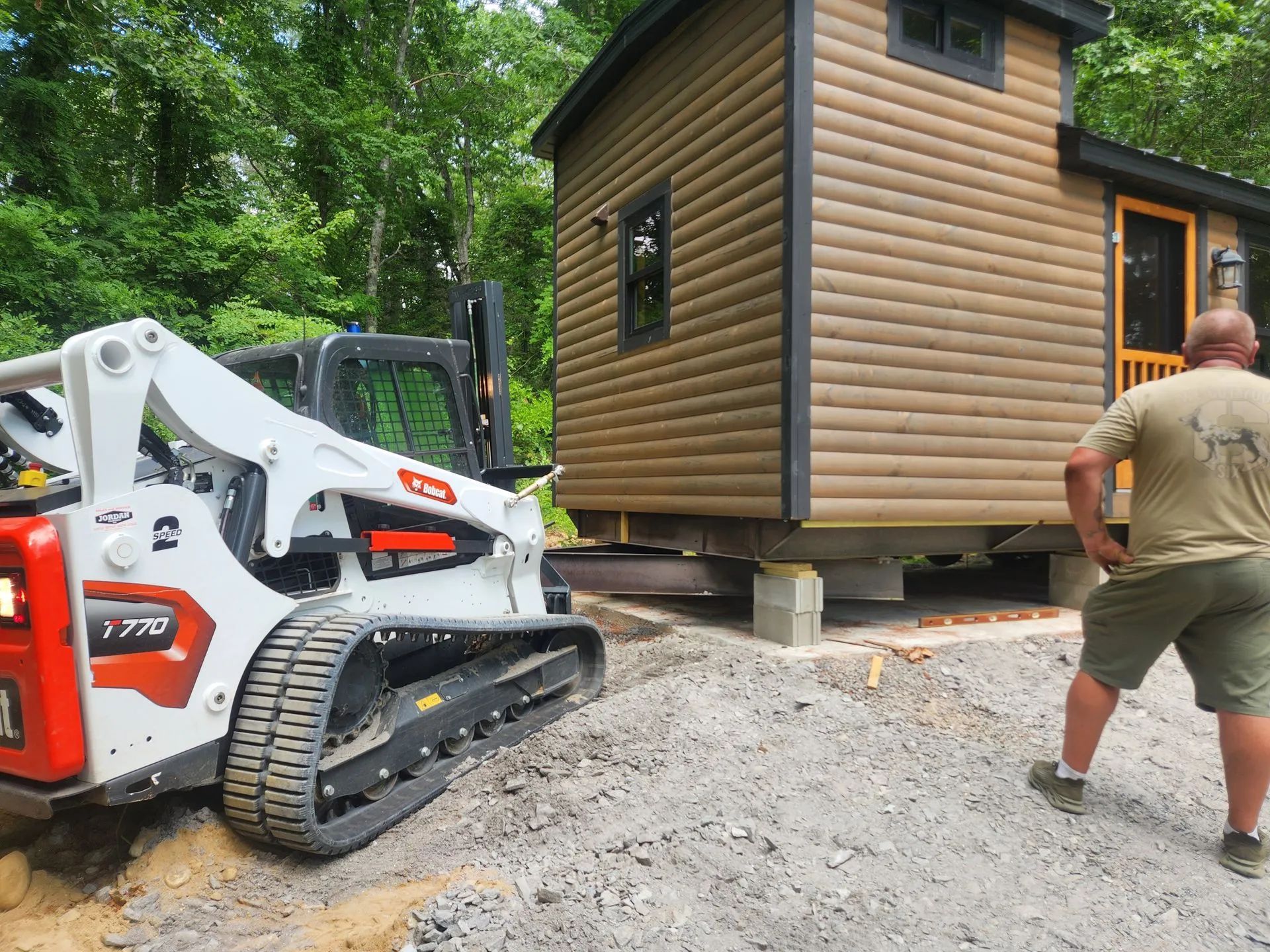
The move itself is only half the job. Once the home is on its new site, it has to be set, leveled, and anchored correctly, or every problem the transport avoided shows up later anyway. Piers that aren't spaced or set to spec let the home flex under its own weight. Anchors that are undersized or placed too far apart won't hold in high wind. And in areas with real winter, frost heave will push under-set piers out of position within a season or two.
A home that looks fine the week it's set can develop sticking doors, sloped floors, or drywall cracks six months later if the anchoring was rushed. That's not a transport failure. It's a setup failure, and it's just as preventable.
Done right. Piers are placed at manufacturer-specified intervals, anchors are torque-tested, and the site is graded so water drains away from the foundation instead of pooling under it.
Frequently Asked Questions
How do I know if my mobile home's axles are safe for a move?
A mover should inspect the tires for dry rot and wear, check the wheel bearings, and verify axle capacity against the home's current weight. Additions or remodeling may have increased the load.
What's the biggest cause of damage during a mobile home move?
Rushed preparation is a common cause of damage. Skipping structural inspections, using deteriorated tires, or overlooking worn bearings can lead to frame stress, roof damage, mechanical failures, and roadside delays during transportation.
Do I need to be present the day my home is moved?
You usually don't need to be present if preparation, utility disconnections, and access details have been confirmed beforehand. However, being there can provide reassurance and allows you to inspect the home afterward.
How long before a move should I schedule a structural inspection?
Schedule the inspection several weeks before moving day. This provides enough time to repair issues such as soft flooring, damaged framing, hitch problems, or moisture-related deterioration without creating last-minute delays.
Can any mobile home be transported, or does age matter?
Age alone doesn't prevent transportation, but older homes require careful structural evaluation. Frame rust, water damage, weakened flooring, or deterioration may require repairs before the home can be moved safely.
What happens if the new site isn't ready when the home arrives?
Delays can create serious complications because the home needs proper piers, anchors, leveling, and access. The new site should be prepared before arrival so the home can be safely positioned and secured.
A Better Move Starts With Careful Preparation
A successful mobile home move depends on preparation long before the wheels begin turning. Checking the home's structure, inspecting the axles and tires, confirming the route, and disconnecting every utility helps prevent problems that can become expensive once the home is in transit. Careful planning also gives the moving crew time to address weak points instead of discovering them on the road, when even a small issue can cause major delays or damage.
The same attention is needed after arrival. Proper leveling, pier placement, and anchoring help the home settle correctly and reduce the risk of doors sticking, floors shifting, or walls developing cracks later. With 40
years of experience, Worldlink Mobile Home Movers
in Naples, Maine understands that every move requires its own preparation based on the home's condition, the route, and the new site. Taking those details seriously is what turns a complicated move into a controlled, dependable process.
Share this article