

How to Prepare Your Mobile Home for Transport (Step-by-Step Checklist)
June 24, 2026
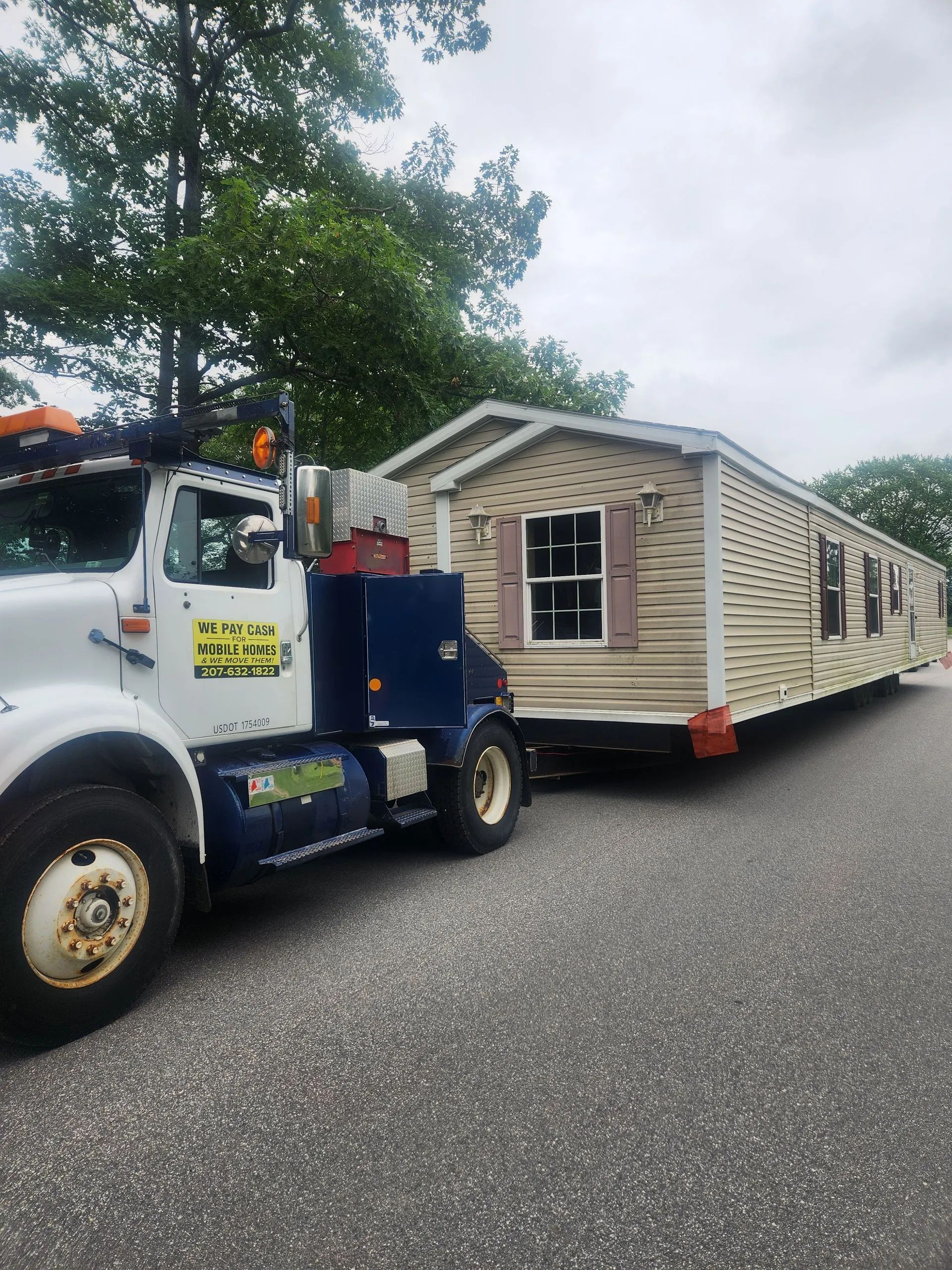
You signed the paperwork, the new lot is graded, and now your entire home is supposed to roll down the road in one piece. You walk through the rooms and the questions stack up fast. What gets shut off first? Does the skirting travel with it? Will the cabinets and dishes survive the trip? Standing inside a house you actually live in and wondering how it even moves is a strange feeling, and almost everyone we meet feels it the week before a move.
Here is the part that matters most. The drive itself is rarely where moves go wrong. The trouble almost always traces back to a step skipped on the ground, before the truck ever backs up to the hitch. A loose tie down, a live gas line, a soft driveway, a box left sitting on a counter. After preparing hundreds of these in the field, we can tell you the homes that travel clean are the ones where the prep was done in the right order. This checklist walks you through that order so nothing gets missed.
Start With the Utilities
Shut down and disconnect every utility before anything else happens. Power, water, sewer, gas or propane, and any low voltage lines all need to be off and physically separated from the home. Most homes need 2 to 3 days of lead time here, because the power company and the propane supplier set the schedule, not you.
Work in a fixed sequence. Kill the electrical at the main breaker and have the meter pulled. Close the propane tank valve, then have the tank disconnected and the lines capped. Shut the main water valve, drain the lines so nothing freezes or sloshes, and disconnect the sewer hose at the cleanout. In Maine, draining matters more than people think. Water left in a supply line during a cold weather move freezes, splits the pipe, and you find out at the new lot when nothing works.
WARNING: Never disconnect a propane or natural gas line yourself. A line that looks closed can still hold pressure, and a small leak in an enclosed underbelly is a real explosion and fire risk. Gas disconnection is one of the few steps that should always be handled by a licensed supplier or a trained mover.
TIP: Snap a photo of every connection point before you touch it. Water, sewer, gas, and electrical hookups all photograph in two minutes, and those pictures make reconnection at the new site far faster and far less of a guessing game.
Pull the Skirting and Free the Home
The skirting almost never travels with the home, so plan to remove it completely. Vinyl and metal panels are held by a top rail and a bottom track, and each panel pulls free by hand once you release a corner. Stack them flat and label them by side if you intend to reuse them, because warped or cracked panels rarely seat right the second time.
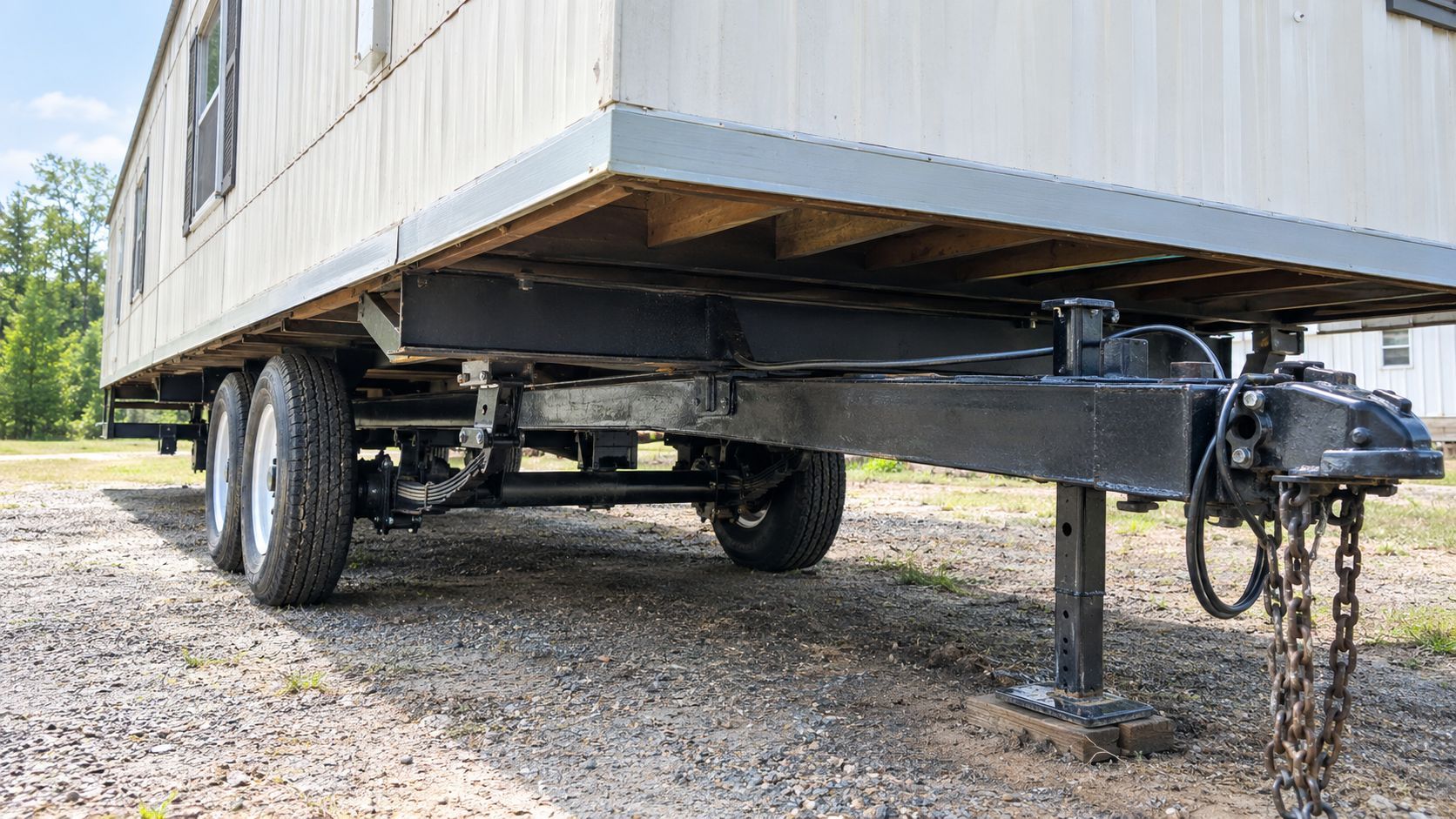
With the skirting off, the underbelly is exposed and the real work begins. Every anchor strap and tie down has to come loose from the ground anchors. The home has to be lifted off its piers and blocks and lowered onto the running gear, which means the axles, tires, and hitch all get reinstalled or inspected. Old units that have sat for 15 or 20 years often have seized anchors and rotted blocking, and that is normal. We expect it and bring the gear to deal with it.
Secure Everything Inside
Treat the inside of the home like it is about to be driven over gravel and frost heaves, because it is. Anything that can shift, fall, or swing will try to. Empty the upper cabinets entirely, since latches pop open on rough back roads and a falling stack of plates does real damage on the way down.
Box up dishes, glass, electronics, and anything breakable, and set the boxes on the floor where nothing can tip. Tape every cabinet and closet door shut, and tape the refrigerator and oven doors as well. Remove wall art, mirrors, and anything hanging. Roll up loose rugs. For longer or older homes, interior bracing across the ceiling helps hold the structure square through the flex of the trip. The goal is simple. When the home rocks, nothing inside moves on its own.
Clear the Path In and Out
Walk the full route off the lot before moving day, because tight access is the single most common reason a move stalls. Measure your gate openings and the width of the driveway, and look up. Low branches, sagging power lines, and tight tree lined corners stop a wide load cold, and on narrow Maine camp roads this happens constantly.
Check the ground itself. A driveway that feels solid in July turns to soup during spring mud season, and a loaded home sinks fast in soft gravel or clay. If the road in is soft, plan the move for frozen ground or a dry stretch. Remove anything in the path that can catch the frame, including parked vehicles, trash cans, mailboxes, fencing, and low landscape edging. Trim back branches that hang into the lane. The cleaner the path, the faster and safer the home rolls.
Time the Move Around Maine Weather
Maine sets the calendar more than most owners expect. The two windows that cause the most grief are deep winter and spring thaw. In January and February, ice builds on the chassis and frozen ground is fine to drive on but brutal to set anchors into. During April and early May, frost coming out of the ground turns back roads soft and unstable, and a heavy home can break through a surface that looked solid.
The cleanest windows are usually late spring into summer and early fall, when the ground is firm and dry and the days are long enough to finish a setup in one go. If your move falls outside those windows, the prep does not change, but the path and ground conditions need a much closer look. A wet or frozen approach is something we plan around rather than fight through.
Frequently Asked Questions
How long does it take to prepare a mobile home for transport?
Most homes need 3 to 5 days of prep once utilities are scheduled. Disconnection, skirting removal, securing the interior, and clearing the path can be handled in stages across that window. Utility lead times usually set the pace, since power and propane suppliers book ahead. We recommend scheduling your shutoff early and planning the rest of the move around it.
Do I have to remove the skirting myself?
You can, since vinyl and metal panels pull free by hand once a corner is released from the top rail. Many owners handle this themselves to save a little time before moving day. If the panels are brittle, cracked, or you plan to reuse them at the new lot, leaving the removal to us avoids splitting, warping, and wasted material.
Can I leave furniture and dishes inside during the move?
Large furniture can stay in place if it sits flat and low to the floor without blocking the path. Dishes, glass, electronics, and anything breakable should be boxed and set down on the floor where nothing can tip. Empty the upper cabinets fully and tape the doors shut, because latches pop open on rough roads and falling items cause damage.
Why does the time of year matter for moving in Maine?
Spring thaw softens back roads and frost heaves shift the ground underneath, while deep winter ice builds on the chassis and complicates anchoring at the new lot. Firm, dry ground in summer or early fall gives the safest path and the cleanest setup. If your move lands outside those windows, we plan the route around conditions rather than fight them.
Is it safe to disconnect the utilities myself?
Water and sewer lines you can usually handle on your own, as long as you drain them fully so nothing freezes or leaks in transit. Gas and propane you should not touch. A capped line can still hold pressure, and even a small leak inside the underbelly is a serious fire risk, so always leave gas to a licensed professional.
Trusted Maine Movers Who Handle Every Detail
The whole move comes down to one principle. Almost every problem on the road was preventable on the ground, which is why the order of your prep matters as much as the prep itself. That order matters even more here, where soft spring roads, narrow camp lanes, and hard winters give a home more ways to get stuck or shift than a flat dry route ever would.
If you want this done right the first time, Worldlink Mobile Home Movers
has handled
Maine moves
for 40
years, and we know exactly how these roads and seasons behave. We serve Naples, Maine and the surrounding areas. Call us before you schedule your utility shutoff, and we will build the timeline around your home and your route.
Share this article