

What Is Mobile Home Leveling and Why It's Critical in Northern Climates
May 28, 2026
Mobile homes are designed to provide long-term comfort, flexibility, and affordability, but their structural stability depends heavily on one critical factor that many property owners overlook until problems appear: proper leveling. In northern climates such as New England, where winters bring freezing temperatures, heavy snow, moisture saturation, and repeated freeze-thaw cycles, mobile home foundations face far more environmental stress than homes in milder regions. Over time, shifting soil, frost heave, and seasonal ground movement can cause a mobile home to settle unevenly, placing strain on the frame, floors, walls, plumbing lines, doors, windows, and roofing systems. What begins as a small imbalance can gradually develop into major structural damage if leveling issues are ignored for too long.
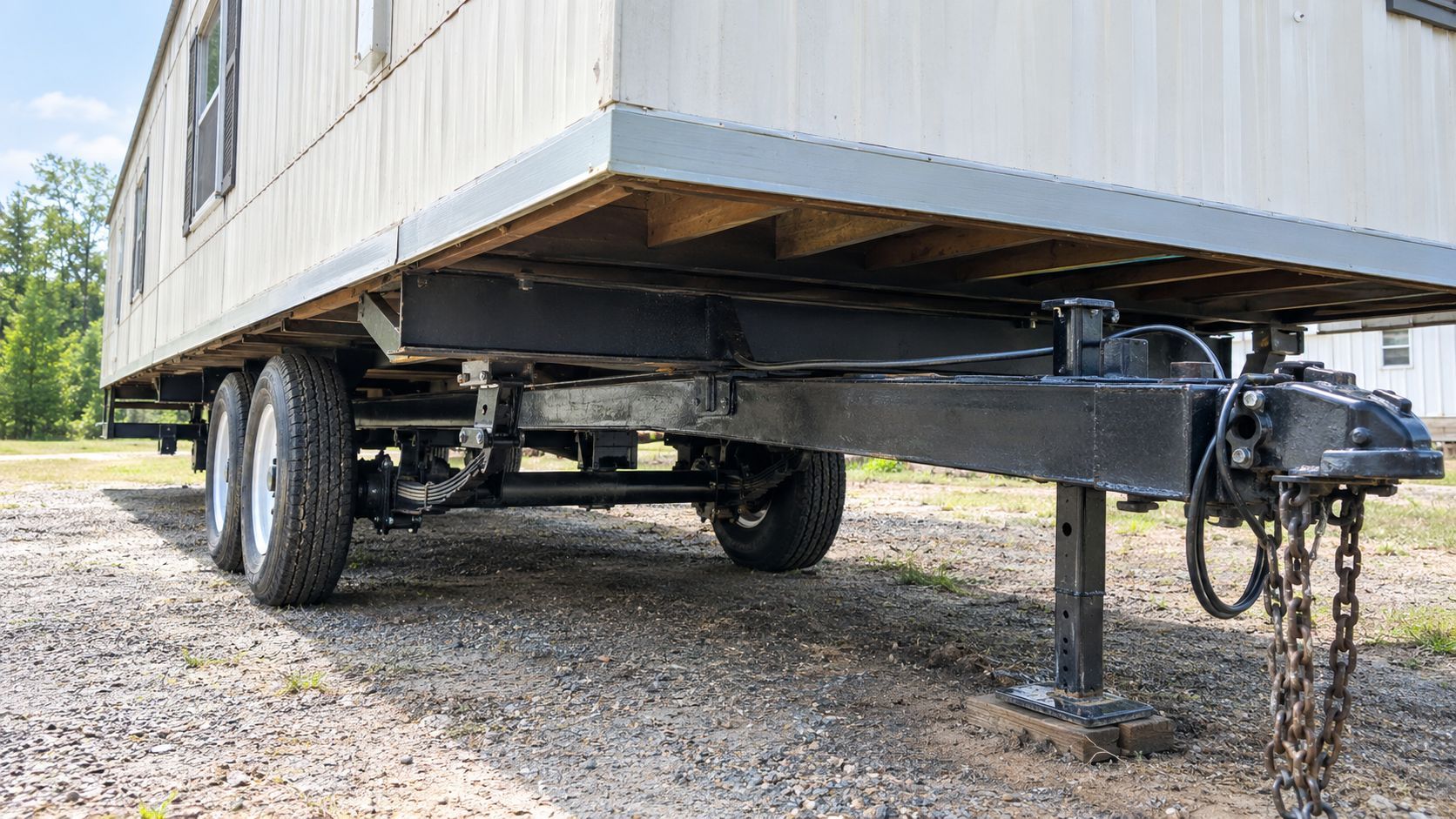
Understanding mobile home leveling is especially important for homeowners throughout northern states where climate conditions constantly challenge foundation stability. Unlike traditional site-built homes with deep permanent foundations, many mobile homes rely on pier systems, blocking, anchors, and support pads that remain more vulnerable to seasonal soil movement. The repeated expansion and contraction of frozen ground in New England creates conditions that shift support points beneath the home year after year. Proper leveling helps protect the structure from long-term damage, preserves interior comfort, improves safety, and helps homeowners avoid costly repairs caused by foundation instability and moisture intrusion.
Understanding Mobile Home Leveling
What Mobile Home Leveling Actually Means
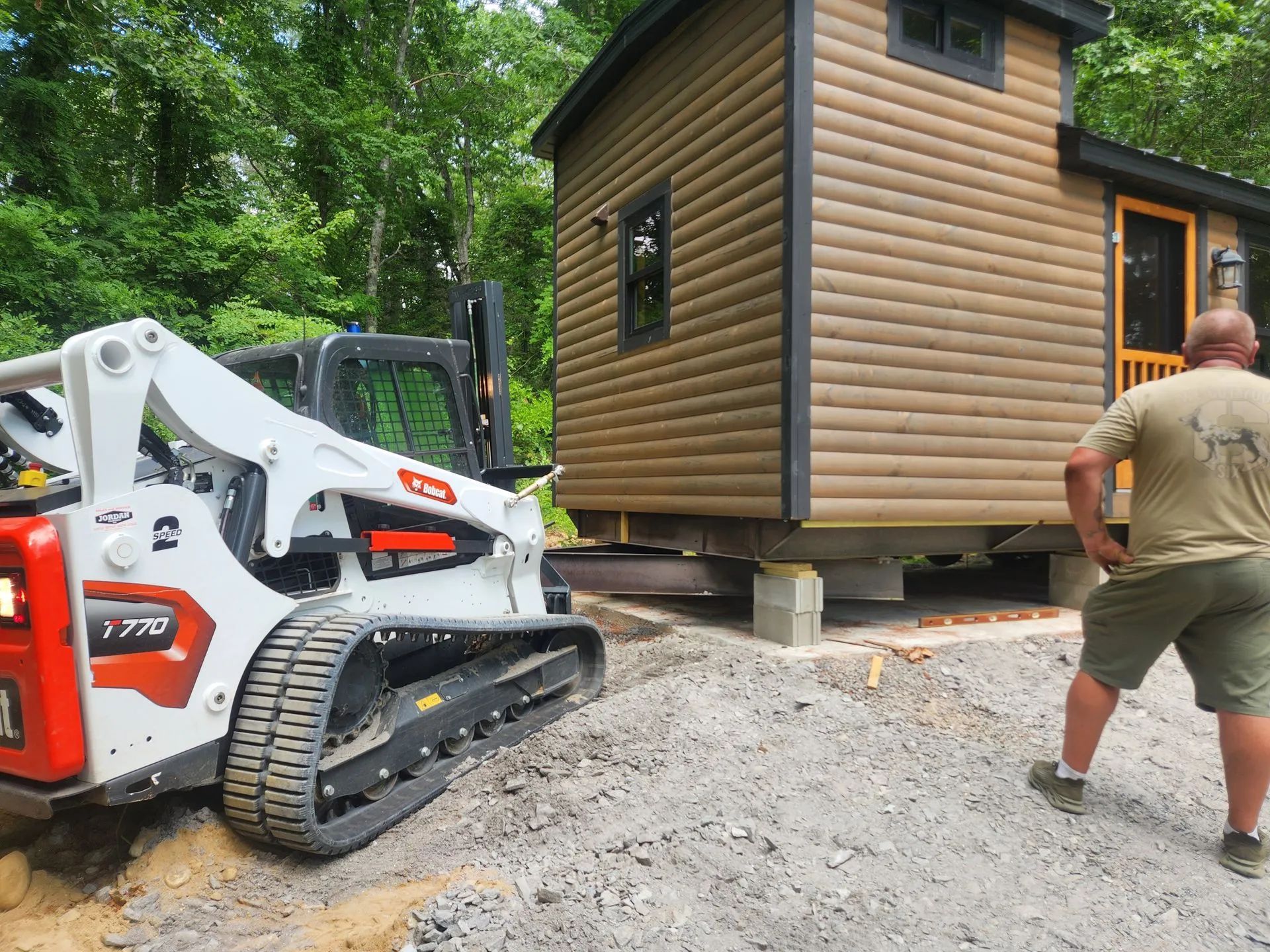
Mobile home leveling is the process of restoring a manufactured home to its proper horizontal position by adjusting the support system beneath the structure. The goal is to distribute the home’s weight evenly across all support points so the frame remains stable and balanced. Over time, the soil beneath a mobile home can settle unevenly, especially in areas exposed to fluctuating temperatures and moisture conditions. When this happens, parts of the home begin shifting out of alignment.
Leveling adjustments often involve inspecting and correcting pier heights, replacing damaged blocks, tightening anchors, and stabilizing weak support areas. Professionals use specialized equipment to measure elevation differences and carefully reposition sections of the structure without placing stress on the frame.
Signs Your Mobile Home Needs Leveling
Many homeowners do not realize their home has shifted until visible problems begin affecting daily living conditions. One of the most common warning signs is doors or windows that suddenly stick, drag, or fail to close properly. Floors may feel soft, uneven, or sloped when walking through the home. Cracks may appear in drywall seams, ceiling joints, or around trim.
Additional warning signs include:
- Gaps forming around exterior doors
- Cabinets separating from walls
- Plumbing leaks caused by pipe strain
- Roof stress and ceiling separation
- Interior wall cracks spreading over time
- Skirting distortion around the perimeter
These issues often worsen during winter and early spring when freeze-thaw movement places additional pressure on foundation systems.
How Freeze-Thaw Cycles Affect Mobile Home Foundations
The Science Behind Freeze-Thaw Movement
Freeze-thaw cycles occur when moisture in the soil freezes during cold temperatures and expands before thawing again as temperatures rise. In New England, this process can repeat dozens of times throughout the winter season. Each cycle changes the density and stability of the soil beneath a mobile home foundation.
When water freezes, it expands and pushes upward against the ground surface. This phenomenon, known as frost heave, creates upward pressure beneath support pads, piers, and blocking systems. As temperatures warm and the frozen soil thaws, the ground contracts and settles again. Unfortunately, the soil rarely returns to its original position evenly.
Some sections beneath the home may rise higher than others, while certain areas settle deeper after thawing. Over multiple winters, these uneven shifts gradually throw the home out of level.
Why Northern Climates Create Greater Risk
Mobile homes in northern climates face unique environmental challenges compared to homes located in warmer regions. Snow accumulation increases moisture saturation around the foundation perimeter, while spring thaw introduces additional groundwater movement into already unstable soil.
Several regional factors increase leveling risks in New England:
Frost Penetration Depth
Northern states experience deeper frost penetration into the soil during winter. The deeper freezing reaches below the surface, the more force is exerted against foundation components and support systems.
High Moisture Conditions
Snowmelt, rain, and poor drainage create excess moisture around mobile home foundations. Wet soil expands more dramatically during freezing temperatures.
Seasonal Ground Instability
The constant cycle of freezing, thawing, saturation, and drying weakens soil consistency year after year. Over time, support pads lose stability and shift under the home’s weight.
Older Foundation Systems
Many older mobile homes were installed decades ago using foundation methods that do not fully account for modern frost protection standards. As northern winters continue stressing these systems, structural movement becomes more common.
Best Practices for Mobile Home Foundation Stability
Maintaining Proper Drainage
One of the most important ways to reduce freeze-thaw damage is controlling moisture around the home. Excess water saturation increases frost heave pressure beneath the foundation. Proper drainage helps stabilize the soil and reduces seasonal ground movement.
Homeowners should ensure:
- Gutters direct water away from the home
- Downspouts extend beyond the foundation perimeter
- Soil grading slopes away from the structure
- Standing water does not accumulate beneath the home
- Drainage systems remain clear throughout winter
Even small drainage improvements can reduce foundation stress during freeze-thaw seasons.
Regular Foundation Inspections
Annual inspections help identify small leveling issues before they become major structural problems. Northern climates place continuous stress on foundation systems, making preventative maintenance essential.
Professional inspections typically evaluate:
Pier Stability
Technicians inspect support piers for movement, cracking, or shifting caused by frost pressure.
Block Condition
Foundation blocks may crack, settle, or deteriorate after repeated freeze-thaw exposure.
Anchor Security
Anchoring systems must remain tight and secure despite seasonal soil movement.
Moisture Conditions
Inspectors evaluate water intrusion, drainage concerns, and soil saturation beneath the home.
Addressing these issues early often prevents more expensive structural repairs later.
Reinforcing the Foundation System
In areas with severe frost movement, upgrading foundation components may improve long-term stability. Reinforcement strategies often include stronger support pads, improved pier systems, moisture barriers, and frost-resistant materials designed for colder climates.
Modern installation techniques place greater emphasis on:
- Frost-protected footings
- Soil stabilization methods
- Better moisture control
- Engineered support systems
- Improved anchoring standards
These upgrades help reduce seasonal movement and improve structural performance in northern weather conditions.
Why Professional Leveling Matters
Precision and Structural Safety
Mobile home leveling requires specialized knowledge, equipment, and structural understanding. Improper adjustments can create additional stress on the frame or cause dangerous shifting during the leveling process.
Professional leveling technicians understand how weight distributes across the structure and how to make gradual corrections safely. Precise measurements ensure the home remains balanced without overcorrecting one section of the foundation.
Protecting Long-Term Property Value
A properly leveled mobile home maintains better structural condition, interior comfort, and resale value. Buyers and inspectors often identify foundation instability quickly during property evaluations. Visible leveling issues may reduce market value or complicate financing and insurance approvals.
Preventative leveling maintenance protects the home’s long-term condition while reducing the likelihood of major structural repairs in the future.
Reducing Future Repair Costs
Many homeowners delay leveling services because the initial warning signs seem minor. Unfortunately, small foundation shifts often lead to larger problems involving plumbing systems, roofing materials, flooring, insulation, and structural framing.
Correcting minor leveling issues early usually costs far less than repairing widespread damage caused by years of foundation movement. In northern climates where freeze-thaw cycles continue every winter, delaying repairs rarely improves the situation.
Dedicated Mobile Home Foundation Experts Serving New England Homeowners
Mobile home leveling plays a critical role in protecting structural stability, safety, comfort, and long-term property performance, especially in northern climates where seasonal weather constantly stresses foundation systems. Freeze-thaw cycles throughout New England create repeated soil expansion and contraction beneath mobile homes, gradually shifting support systems out of alignment. Without proper maintenance and timely leveling adjustments, these movements can lead to structural distortion, plumbing damage, roofing problems, moisture intrusion, and costly repairs that affect nearly every part of the home.
For homeowners seeking experienced mobile home foundation and transport solutions, Worldlink Mobile Home Movers in Naples, Maine, provides trusted expertise backed by 40 years of industry experience. Northern climates demand a deep understanding of how freeze-thaw cycles, frost heave, and shifting soil conditions affect manufactured housing foundations over time. Our approach focuses on protecting structural integrity through careful inspections, proper leveling techniques, and foundation solutions designed specifically for challenging New England weather conditions. We understand how quickly small leveling issues can escalate into widespread structural concerns when harsh winters place continuous pressure on support systems beneath the home.
Our experience working with mobile homes across Maine and the surrounding northern regions allows us to recognize early warning signs before major damage develops. We prioritize safe structural handling, accurate leveling adjustments, and long-term stability so homeowners can feel confident in the condition of their property throughout every season. Homeowners throughout the region continue trusting our services because we focus on quality workmanship, honest guidance, and dependable results built on decades of real industry experience.
Share this article