
Complete Guide to Mobile Home Moving in New England

February 28, 2026

(Maine, New Hampshire, Vermont & Massachusetts Regulations Explained)

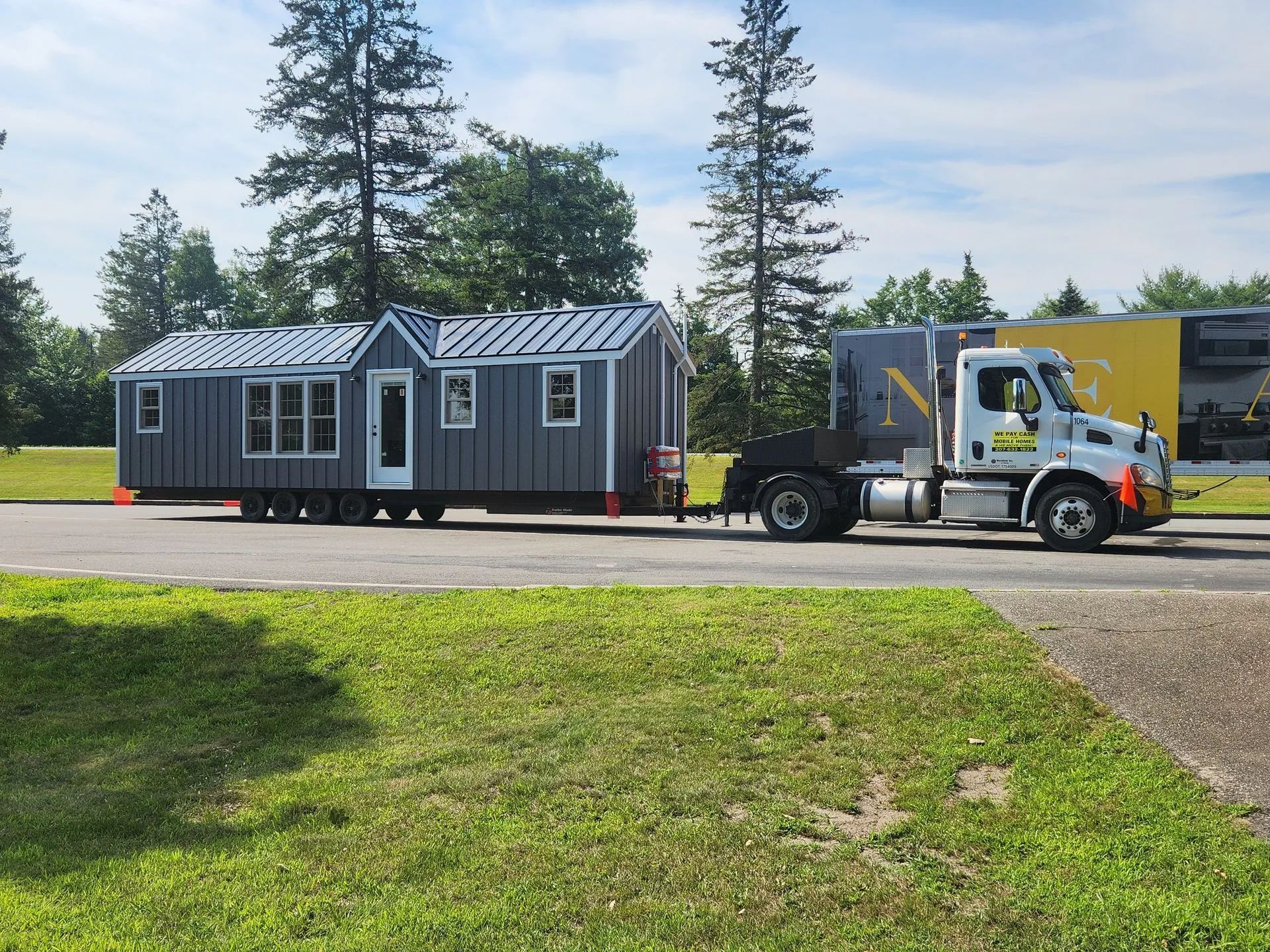
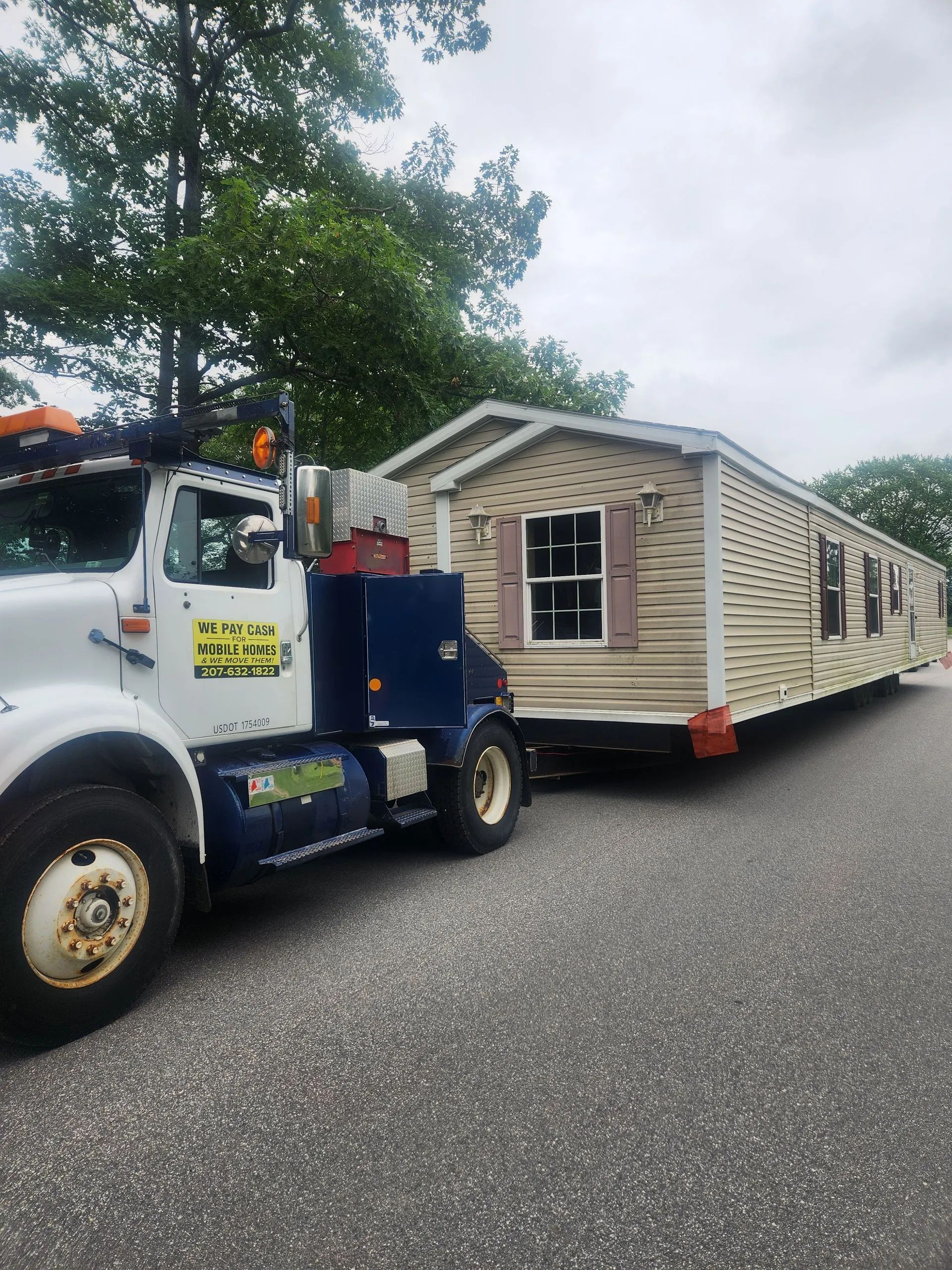
Moving a mobile home in New England requires more than just transport equipment. Each state has its own permitting requirements, oversize load regulations, and site preparation standards. Whether you are relocating within the same town or across state lines, understanding these rules is essential for a safe, compliant, and efficient move.

This guide breaks down what homeowners need to know about mobile home moving in Maine, New Hampshire, Vermont, and Massachusetts.

What Makes Mobile Home Moving in New England Unique?

New England presents several challenges that impact transport and setup:

  • Narrow rural roads
  • Mountainous terrain in parts of NH and VT
  • Coastal wind exposure in ME and MA
  • Deep frost lines
  • Seasonal weather restrictions
  • Strict oversize transport laws

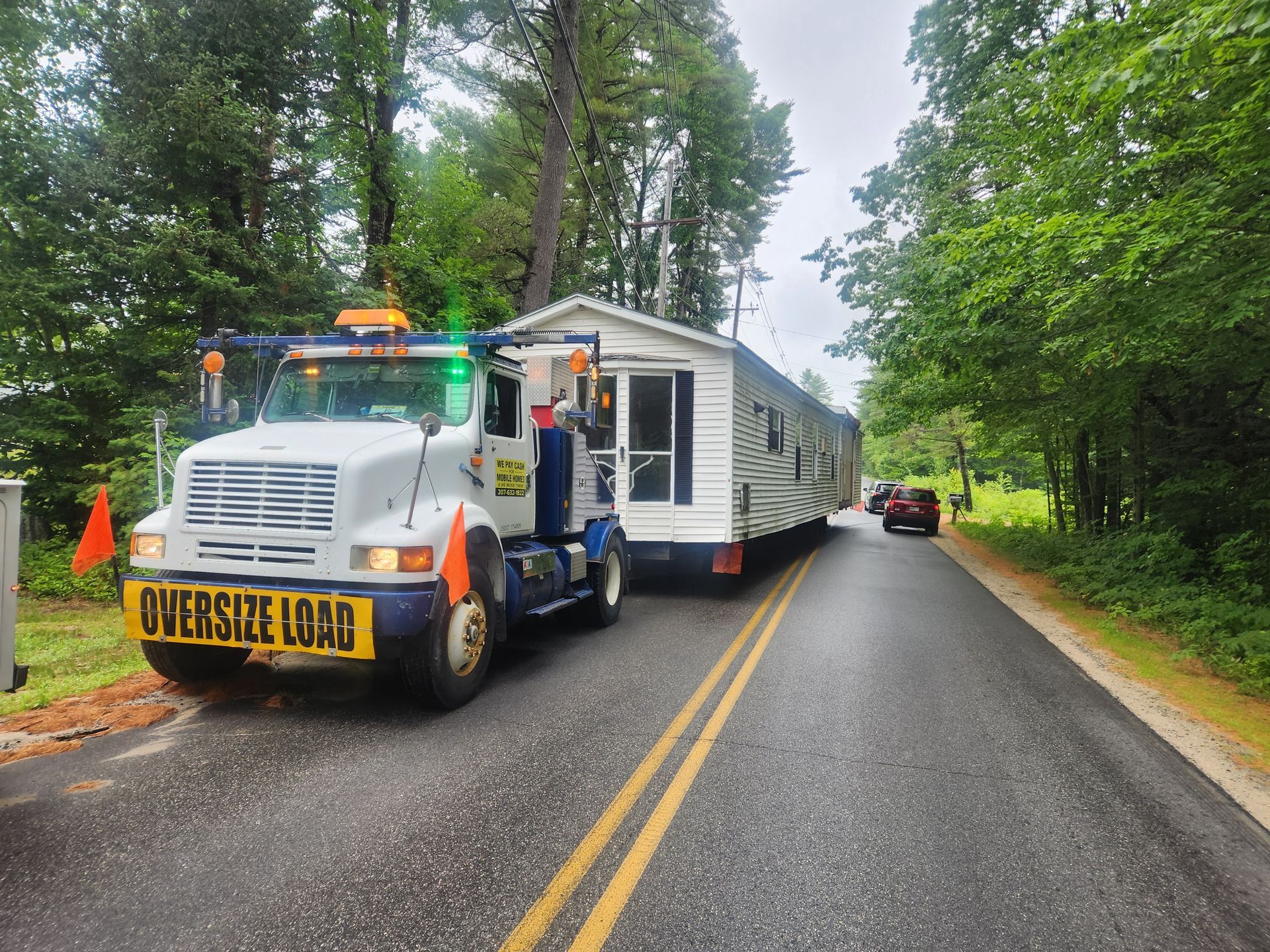
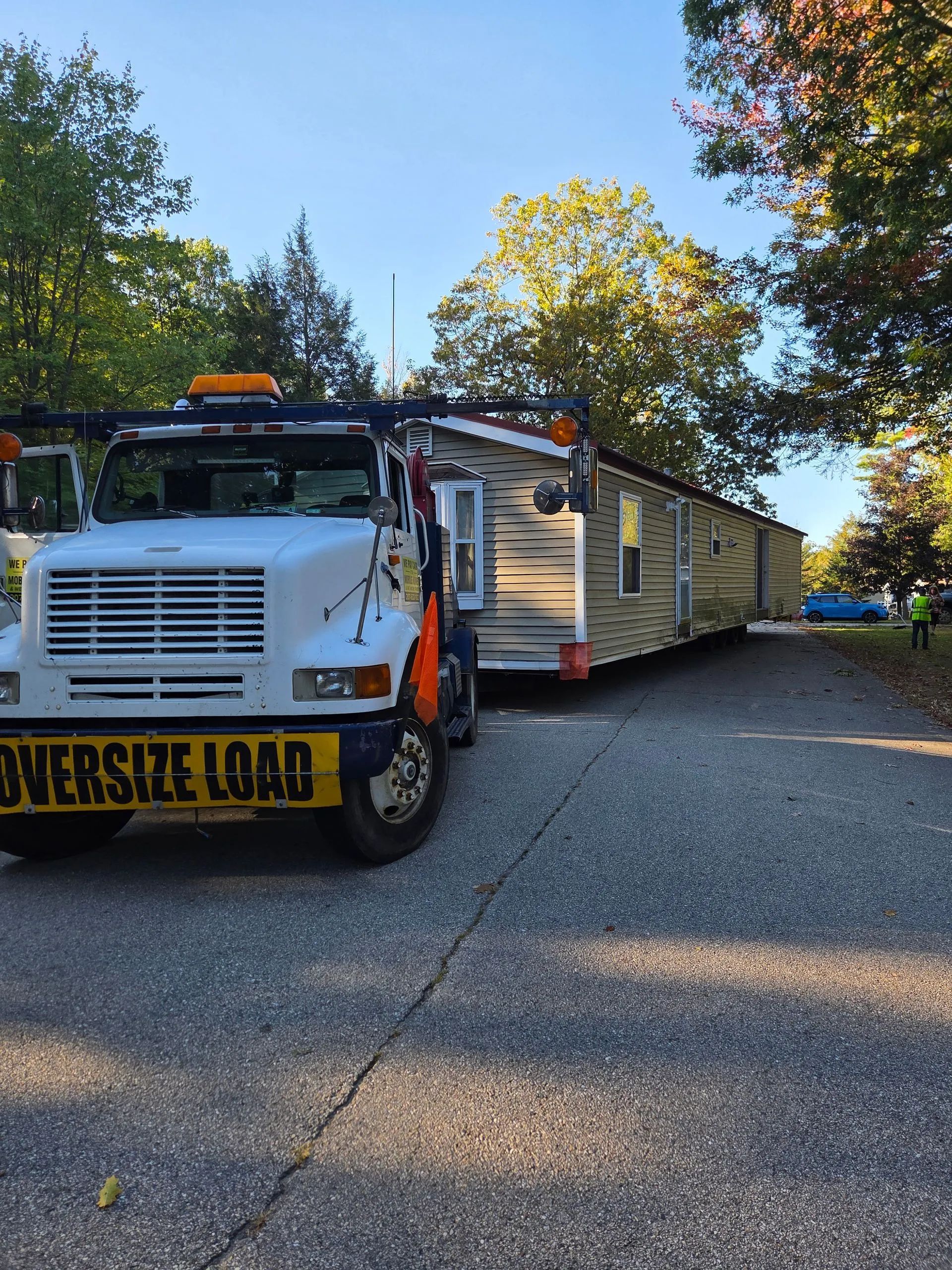
Because mobile homes are classified as oversized loads, state transportation departments regulate nearly every move.

Maine Mobile Home Moving Regulations

Maine requires oversize load permits issued through the Maine Department of Transportation (MDOT) for any manufactured home transport.

Key Requirements:

  • Oversize load permit
  • Escort vehicles for certain widths
  • Approved transport routes
  • Travel time restrictions (often daylight hours only)
  • Coordination if utility lines must be lifted


Maine’s rural properties often involve dirt roads and wooded access areas, which may require additional preparation before transport.

Frost Line Considerations:

Maine’s deep frost line requires proper blocking and anchoring systems to prevent seasonal shifting. Setup must account for freeze-thaw cycles common across the state.

New Hampshire Mobile Home Moving Regulations

New Hampshire also requires oversize permits through the New Hampshire Department of Transportation (NHDOT).

Important Factors:

  • Permit approval before transport
  • Route review for bridges and low clearances
  • Escort vehicles depending on width
  • Limited transport hours

Southern NH towns may have stricter local zoning rules, especially in suburban areas.

Terrain Impact:

Northern New Hampshire’s mountainous regions may affect route planning and require more careful maneuvering for double-wide units.

Vermont Mobile Home Moving Regulations

Vermont’s transport permits are issued through the Vermont Agency of Transportation (VTrans).

What to Expect:

  • Oversize load permits
  • Strict routing approvals
  • Seasonal weight restrictions on certain roads
  • Travel restrictions during inclement weather

Vermont has many narrow, winding roads — especially in rural communities — which can affect scheduling and route selection.

Seasonal Restrictions:

Spring “mud season” in Vermont can delay moves due to road weight limits and soft ground conditions.

Massachusetts Mobile Home Moving Regulations

Massachusetts regulations are overseen by the Massachusetts Department of Transportation (MassDOT).

Key Requirements:

  • Oversize transport permit
  • Police escort for certain routes
  • Utility coordination in populated areas
  • Strict compliance with road safety laws

Massachusetts often has more urban density compared to other New England states, which may increase logistical coordination.

Urban vs. Rural Considerations:

  • Urban areas require careful planning due to traffic congestion.
  • Western Massachusetts presents terrain challenges similar to Vermont.

Cross-State Mobile Home Moving in New England

If you are moving a mobile home across state lines, multiple permits are required — one for each state traveled through.


For example, moving a home from Maine to Massachusetts may require permits from:

  • Maine (origin)
  • New Hampshire (if passing through)
  • Massachusetts (destination)


Each state must approve the transport route independently.


Professional movers coordinate multi-state permit applications to ensure legal compliance before transport begins.

Single-Wide vs. Double-Wide Regulations

The size of the home directly affects regulatory requirements.

Single-Wide:

  • Typically transported as one unit
  • Fewer escort requirements
  • Simpler routing

Double-Wide:

  • Separated into sections
  • Requires multiple permits
  • More escort vehicles
  • More complex setup at destination

Double-wide moves require precise reassembly to maintain structural integrity.

Site Preparation Requirements Across New England

Before transport, homeowners must ensure:

  • Utilities are disconnected
  • Skirting is removed
  • Property access is clear
  • Foundation site is prepared

After transport, homes must be:

  • Properly leveled
  • Anchored according to state guidelines
  • Secured against wind exposure

Coastal areas in Maine and Massachusetts may require additional anchoring due to wind loads.

Weather & Seasonal Planning

New England weather plays a major role in scheduling:


Winter:

Snow and ice can delay transport and restrict safe travel.


Spring:

Mud season in Maine and Vermont may limit heavy vehicle access.


Summer & Fall:

Typically the most efficient seasons for transport and setup.


Planning around seasonal conditions helps reduce risk and unexpected delays

Mobile Home Leveling & Frost Protection

Due to New England’s freeze-thaw cycles, proper leveling and blocking are critical. Improper setup can lead to:

  • Frame stress
  • Door misalignment
  • Roof seam separation
  • Long-term structural damage

Experienced mobile home movers understand regional soil conditions and frost line depth requirements.

Axle, Tongue & Structural Requirements

Older mobile homes may require:

  • Axle replacement
  • Tongue fabrication
  • Frame reinforcement

These structural components must meet transport safety standards before permits are issued.

Why Professional Coordination Matters

Mobile home moving in New England involves:

  • Multi-agency permit approval
  • Route engineering
  • Escort vehicle scheduling
  • Weather monitoring
  • Foundation preparation
  • Structural assessment

Hiring an experienced mobile home mover ensures all regulations are followed and the home arrives safely.

Final Thoughts

Moving a mobile home in New England is a regulated, technical process that varies by state and season. Maine, New Hampshire, Vermont, and Massachusetts each have specific permit requirements, routing rules, and environmental considerations.


Understanding these regulations helps homeowners plan effectively and avoid costly delays. With proper coordination, professional equipment, and regional expertise, mobile home relocation across New England can be handled safely and efficiently.

A mobile home being transported by a white truck on a grassy field under a cloudy sky.
February 26, 2026
Moving a mobile home in Maine is a highly specialized process that requires professional equipment, proper permits, and experience navigating the region’s unique terrain.
A mobile home being transported by a white truck on a grassy field under a cloudy sky.
February 26, 2026
Moving a mobile home in Maine is a highly specialized process that requires professional equipment, proper permits, and experience navigating the region’s unique terrain.

Share this article