
How Much Does It Cost to Move a Mobile Home in Maine?

February 26, 2026

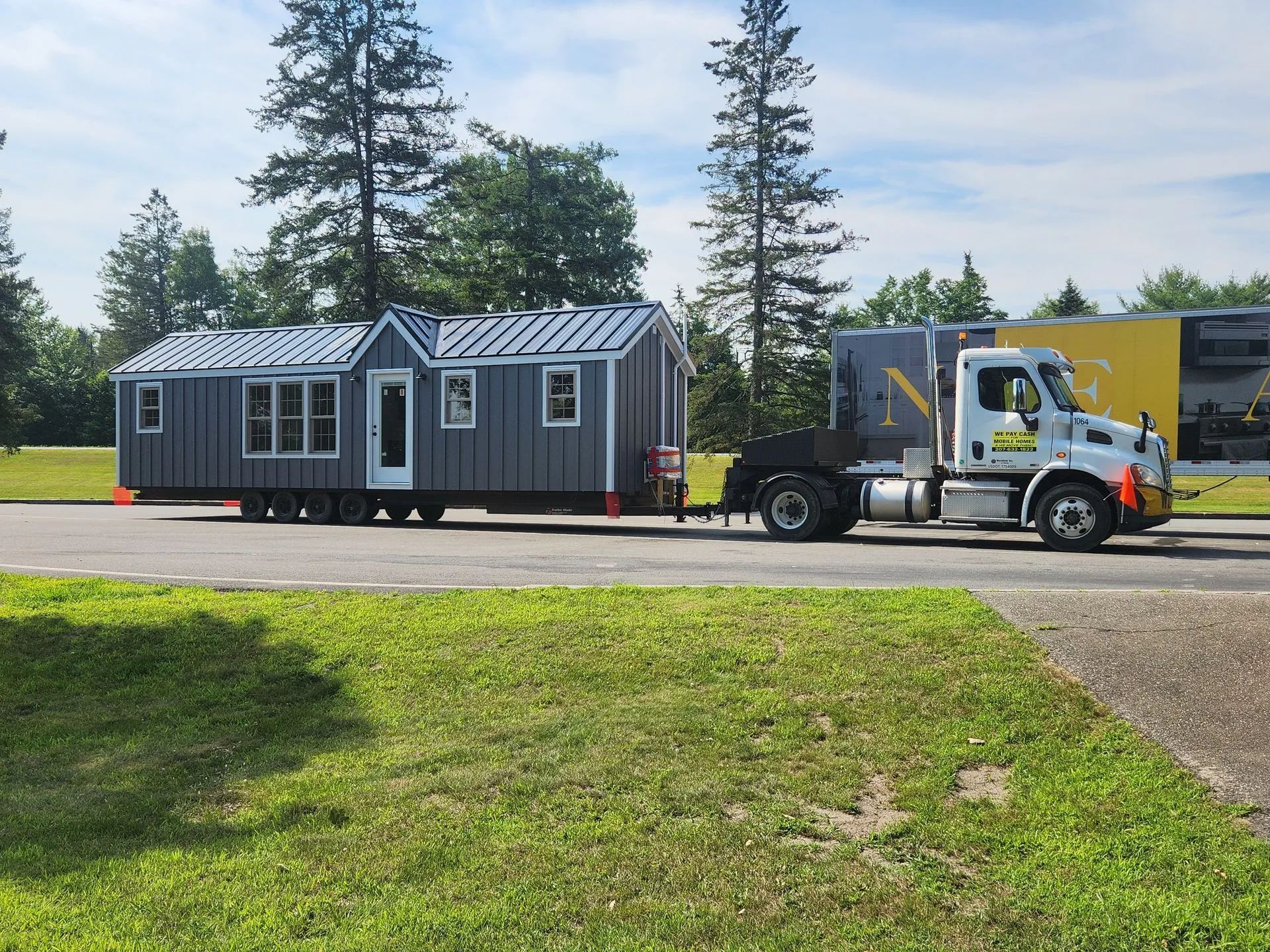
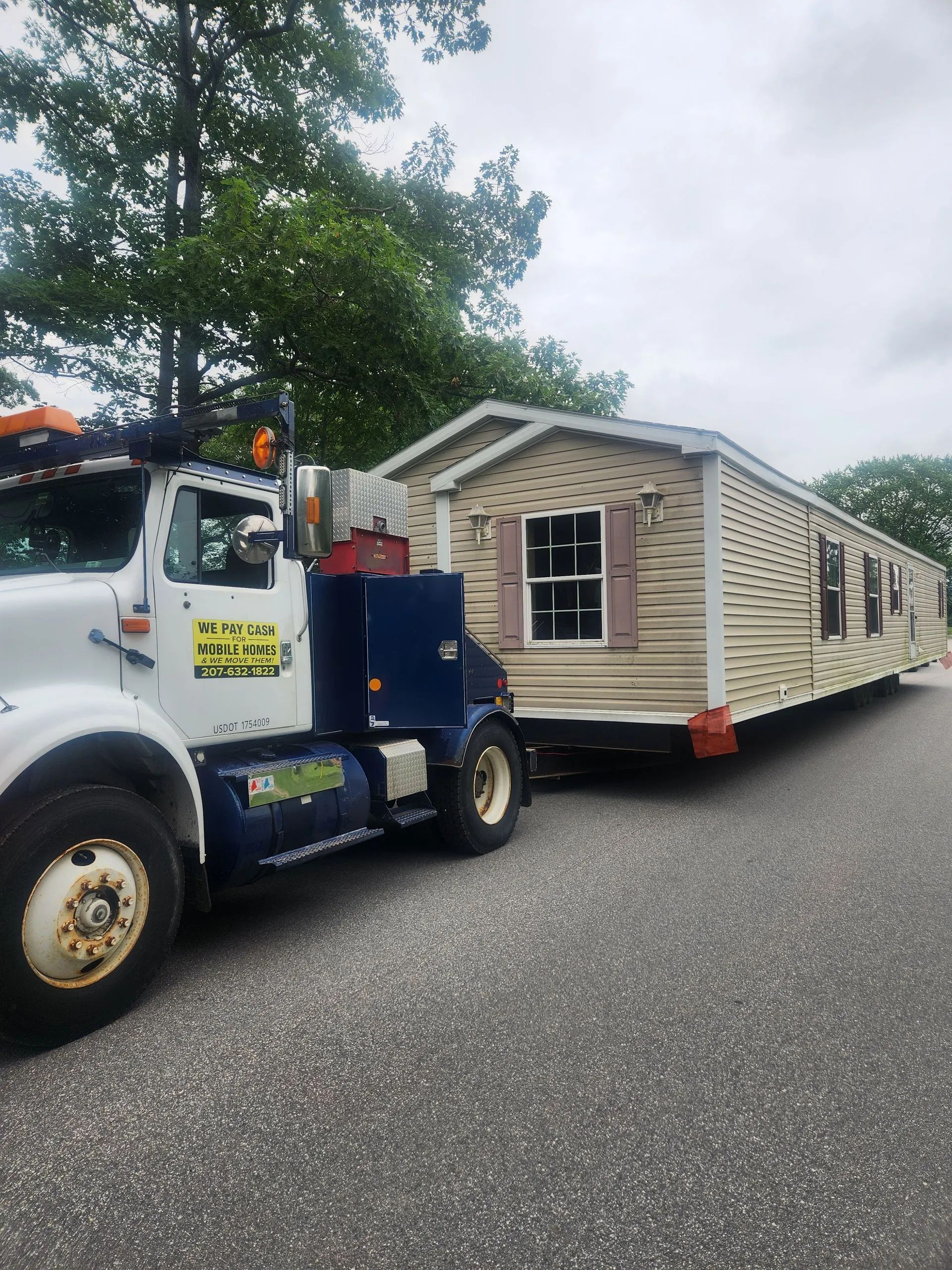
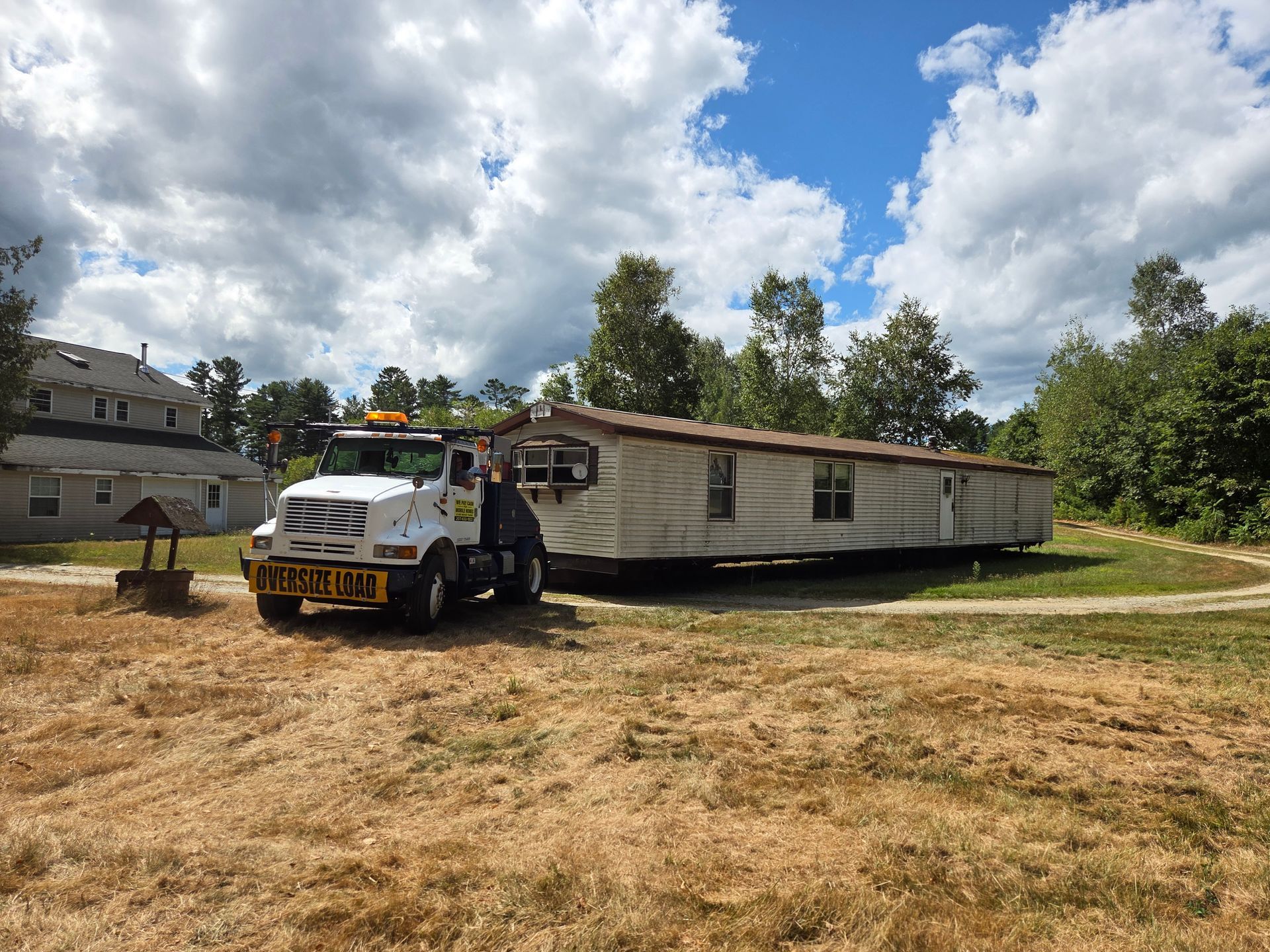
Moving a mobile home in Maine is a highly specialized process that requires professional equipment, proper permits, and experience navigating the region’s unique terrain. Whether you’re relocating a single-wide across town or transporting a double-wide to a new property, understanding the cost factors involved helps you plan ahead and avoid surprises.


In this 2026 guide, we break down what influences mobile home moving costs in Maine — including terrain, rural access roads, permits, seasonal conditions, and setup requirements.

Average Cost to Move a Mobile Home in Maine

While every move is different, here are general price ranges homeowners can expect:

Single-Wide (Local Move):

Typically ranges from $3,000 – $7,000 depending on distance and site conditions.

Double-Wide (Local Move):

Often ranges from $6,000 – $15,000+ due to section separation, escort requirements, and reassembly.

Long-distance or cross-state moves increase costs due to mileage, fuel, and additional permitting.

These are general estimates — actual pricing depends on multiple variables specific to your property and location.

Key Factors That Affect Mobile Home Moving Costs in Maine

1. Size of the Home (Single-Wide vs. Double-Wide)

Single-wide homes are transported as one unit, making them simpler and less labor-intensive. Double-wide homes must be separated into sections, transported individually, and carefully reassembled at the destination. This requires additional equipment, manpower, and time — increasing overall costs.

2. Distance of the Move

The farther the home needs to travel, the more fuel, labor hours, and transport logistics are involved. Moves within the same county are more affordable than cross-state relocations.


Rural Maine locations can increase mileage due to indirect routes or limited access roads.

3. Maine’s Rural Terrain & Access Roads

One of the biggest cost variables in Maine is site accessibility.

Many properties are located on:

  • Narrow dirt roads
  • Wooded private lots
  • Gravel driveways
  • Steep inclines
  • Soft or muddy ground

Limited access may require:

  • Additional escort vehicles
  • Tree trimming
  • Driveway reinforcement
  • Specialized maneuvering equipment

If crane services are required due to tight site access or obstacles, costs increase accordingly.

4. Permits & Regulatory Requirements in Maine

Moving a mobile home in Maine requires permits and coordination with multiple agencies.

Typical requirements include:

  • Oversize load permits from the Maine Department of Transportation (MDOT)
  • Local municipal approval
  • Coordination with utility companies if power lines must be temporarily lifted
  • Escort vehicles for oversized loads

Permit costs vary depending on:

  • Load width
  • Load height
  • Distance traveled
  • Municipal jurisdiction

Professional movers typically handle the permitting process to ensure compliance, but these costs are factored into your total estimate.

5. Utility Disconnection & Reconnection

Before transport, all utilities must be properly disconnected:

  • Electrical service
  • Water lines
  • Sewer connections
  • Gas lines

After relocation, reconnection may require licensed electricians or plumbers. These services are often separate from the transport fee.

5. Utility Disconnection & Reconnection

Before transport, all utilities must be properly disconnected:

  • Electrical service
  • Water lines
  • Sewer connections
  • Gas lines

After relocation, reconnection may require licensed electricians or plumbers. These services are often separate from the transport fee.

6. Mobile Home Leveling & Setup

Transport is only part of the total cost. Once the home reaches its new location, it must be:

  • Blocked and leveled
  • Anchored and tied down
  • Reassembled (for double-wides)
  • Sealed at roof and marriage lines

Maine’s freeze-thaw cycles make proper leveling critical. Poor setup can lead to structural shifting, door and window misalignment, and long-term damage.


Setup and leveling services typically range from $1,500 – $5,000+ depending on complexity.

7. Axle & Tongue Fabrication or Replacement

Older mobile homes may require structural reinforcement before transport. This can include:

  • Installing new axles
  • Fabricating or replacing tongues
  • Repairing frame components

Fabrication ensures the home meets safety and transport standards. Costs vary based on the extent of structural work required.

8. Seasonal Considerations in Maine

Maine’s climate significantly impacts scheduling and pricing.

  • Winter Moves:

 Snow, ice, and frozen ground can delay transport and increase labor time.

  • Spring “Mud Season”:

 Soft ground conditions may require driveway reinforcement or rescheduling.

  • Summer & Fall:

 These are typically the most efficient times to move due to stable weather conditions.

Planning your move during favorable seasons can reduce unexpected complications.

9. Foundation Requirements & Frost Line Depth

Maine’s frost line depth is deeper than many other states, meaning foundation and blocking systems must be installed properly to prevent shifting during freeze-thaw cycles.


Foundation preparation may include:

  • Gravel pad installation
  • Concrete footings
  • Anchoring systems

If the new site is not properly prepared, additional costs may be necessary before setup.

Additional Costs to Consider

Homeowners should also budget for:


  • Skirting removal and reinstallation
  • Insurance coverage
  • Debris cleanup
  • Landscaping adjustments
  • Temporary storage if delays occur

Every property presents unique challenges that affect total investment.

Why Hiring an Experienced Maine Mobile Home Mover Matters

Moving a mobile home is not like hiring a standard moving company. It requires:

  • Heavy-duty transport equipment
  • Structural knowledge
  • Permit expertise
  • Route planning
  • Crane coordination when needed
  • Compliance with state and municipal regulations

An experienced mobile home mover understands Maine’s rural terrain, weather conditions, and permitting process — reducing delays and protecting your investment.

How to Get an Accurate Estimate

The best way to determine cost is through a professional site evaluation. A qualified mover will assess:

  • Home size and condition
  • Current site access
  • Destination site readiness
  • Distance of transport
  • Structural requirements

Transparent pricing and detailed planning ensure a smoother relocation process.

Final Thoughts

The cost to move a mobile home in Maine in 2026 depends on multiple factors — from terrain and permits to setup requirements and seasonal timing. While pricing varies, understanding these variables helps homeowners plan responsibly and avoid unexpected expenses.


If you’re considering relocating your mobile home, working with a company experienced in Maine’s unique landscape ensures the job is handled safely, legally, and efficiently.

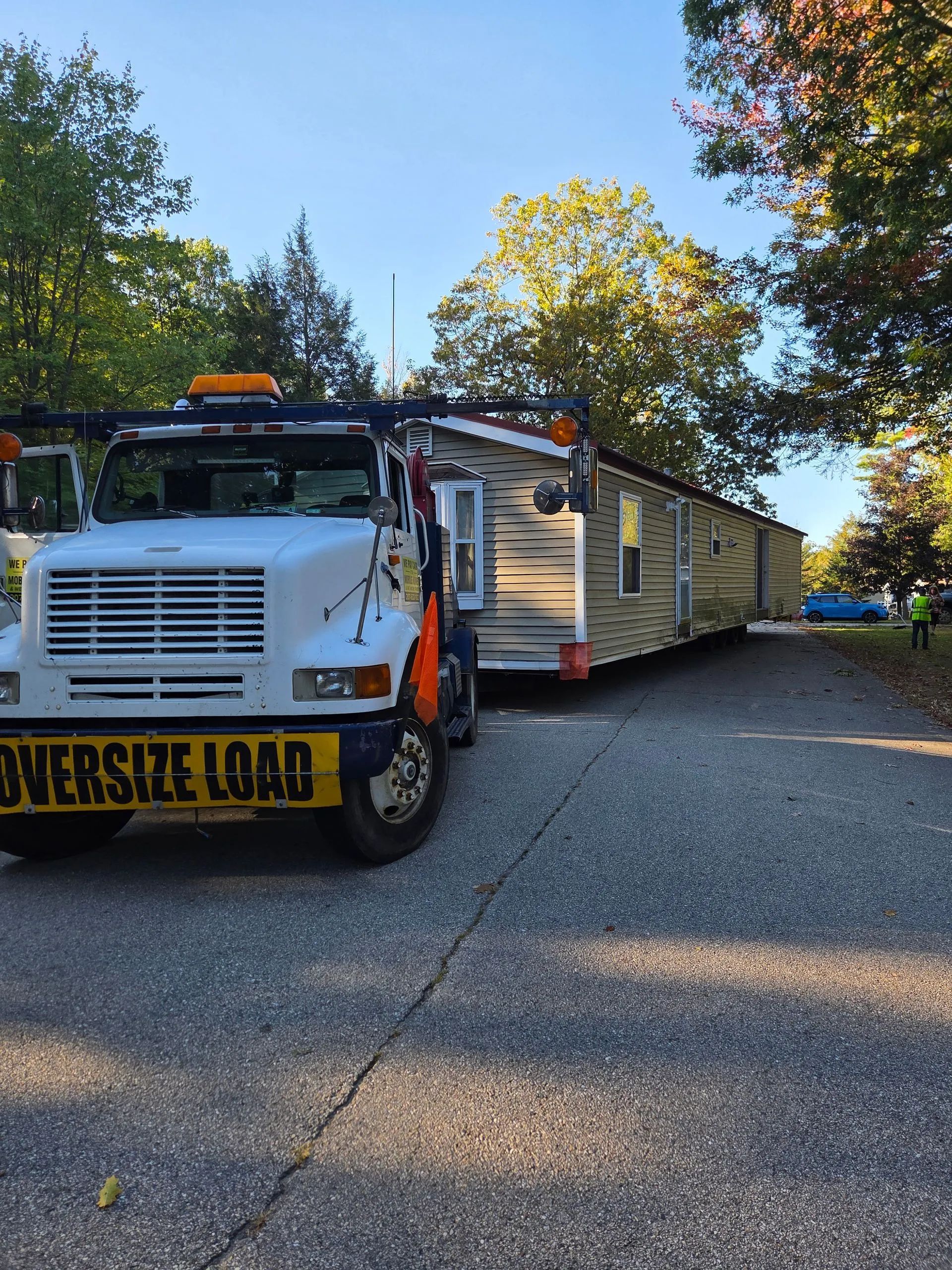
A tow truck transports a mobile home on a narrow road lined with trees.
February 28, 2026
oving a mobile home in New England requires more than just transport equipment. Each state has its own permitting requirements, oversize load regulations, and site preparation standards.
A tow truck transports a mobile home on a narrow road lined with trees.
February 28, 2026
oving a mobile home in New England requires more than just transport equipment. Each state has its own permitting requirements, oversize load regulations, and site preparation standards.

Share this article