

Single-Wide vs. Double-Wide Moving: What Homeowners Need to Know
March 31, 2026
Moving a mobile home involves careful planning, detailed knowledge, and a clear understanding of the differences between single-wide and double-wide homes. Each type presents unique challenges and considerations, from structural layout to transportation logistics and setup requirements. For homeowners, understanding these distinctions is essential for a smooth, efficient move and for maintaining the integrity and longevity of the home. Making informed choices ensures not only cost-effectiveness but also safety, compliance with local regulations, and long-term satisfaction. With mobile home relocations increasingly common, homeowners who approach the process strategically can save time, minimize risks, and maximize the value of their investment.
The decision between moving a single-wide or double-wide home impacts every stage of the relocation process. Single-wide homes, compact and lightweight, offer different transport advantages and limitations compared to the larger, more complex double-wide models. Setup procedures, site preparation, and regulatory requirements vary as well. This guide provides homeowners with a comprehensive understanding of structural differences, transport logistics, and setup considerations. By examining each factor in detail, it becomes possible to plan moves that are efficient, safe, and cost-conscious. With the right preparation and expertise, relocating a mobile home can be a manageable, predictable process rather than a source of stress or unexpected complications.
Structural Differences: Understanding the Layout
Single-Wide Homes: Compact and Streamlined
Single-wide mobile homes are typically narrower, usually measuring between 12 and 18 feet in width, and can range from 40 to 90 feet in length. These homes are constructed on a single chassis frame, making them lighter and easier to transport. Their compact design limits interior space, but provides simpler layouts that often feature an open living area, kitchen, one or two bedrooms, and a bathroom. The lightweight frame reduces stress on transport equipment and minimizes setup complexities. However, the smaller footprint may restrict customization options and storage space, which should be considered when planning a move or reconfiguring the site.
Structurally, single-wides are designed to maintain stability while being narrow enough to comply with standard road width regulations without special permits in many cases. Walls, roofing, and floor supports are engineered to balance strength with portability, ensuring that the home can withstand relocation forces without damage. Single-wide homes are often built in a linear fashion, which allows for easier alignment and leveling at the destination site.
Double-Wide Homes: Expansive and Complex
Double-wide mobile homes are constructed by joining two sections, usually transported separately and combined on-site. Widths commonly range from 20 to 32 feet, while lengths vary from 40 to 90 feet. This design creates a more spacious interior, allowing for additional bedrooms, larger living areas, and enhanced customization. However, the increased size and structural complexity also introduce challenges in transport and setup. Each half must be precisely aligned, and the joined sections require reinforced connections, including roof, flooring, and wall integration, to maintain stability.
Structurally, double-wides demand careful engineering to ensure the two sections move as a cohesive unit once installed. Rooflines, utility connections, and foundation support must accommodate the combined weight and dimensions. Unlike single-wides, the broader width often requires special transport permits and route planning to navigate roadways safely. Understanding these structural distinctions allows homeowners to anticipate the logistical demands of moving double-wide homes and ensures proper planning from start to finish.
Transport Logistics: Planning the Move
Route Planning and Permits
Transporting mobile homes involves more than hitching a trailer and hitting the road. Both single-wide and double-wide homes require route assessment, including road width, bridge clearance, and overhead obstacles. Single-wide homes, due to their narrower width, can often utilize standard routes with minimal restrictions. Double-wide homes, however, require more extensive planning. Special transport permits are generally needed, and route selection must account for wider turning radii, power lines, and tight corners. Planning these details in advance reduces the risk of delays, fines, or damage during the move.
Equipment and Handling Requirements
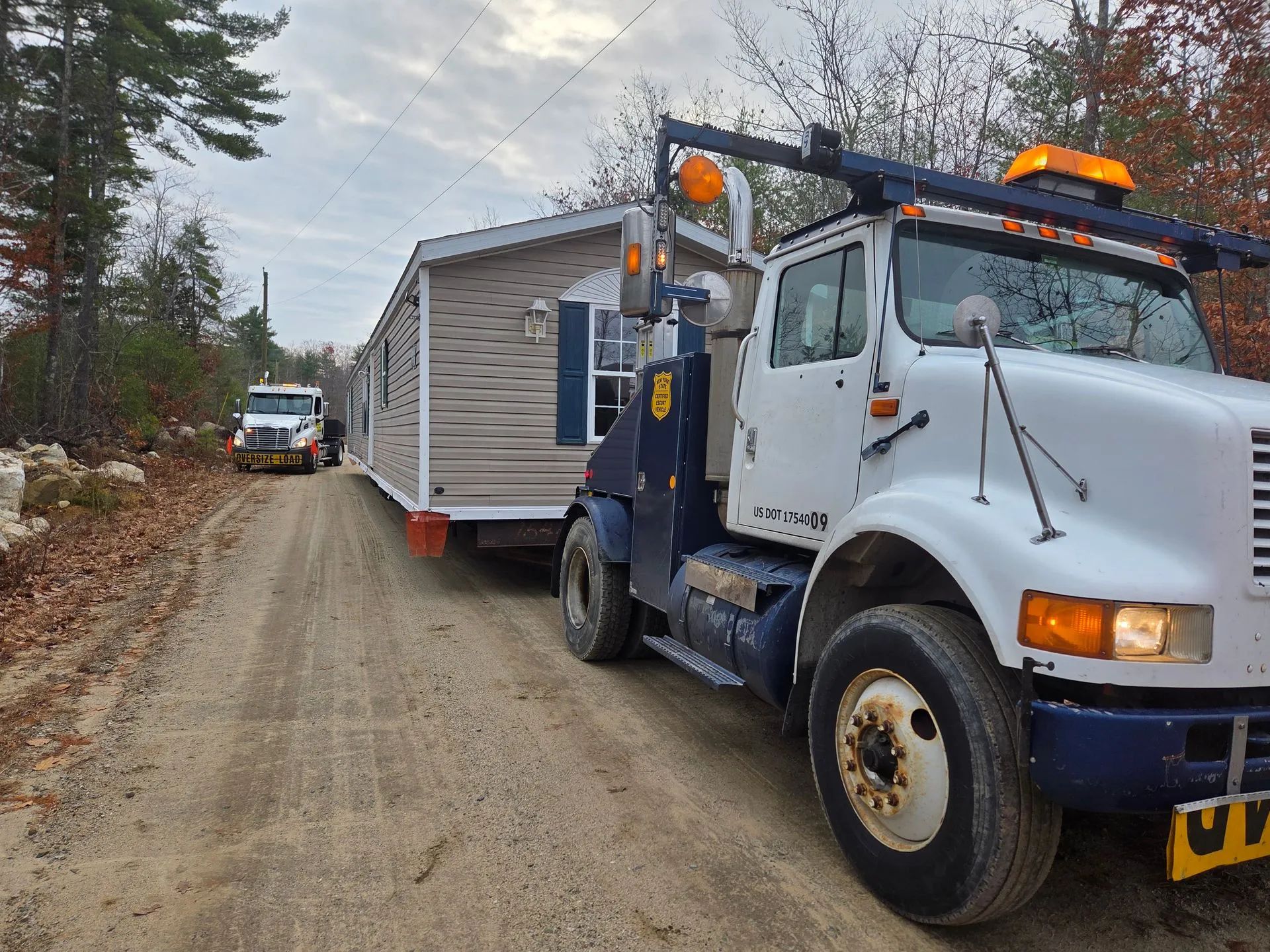
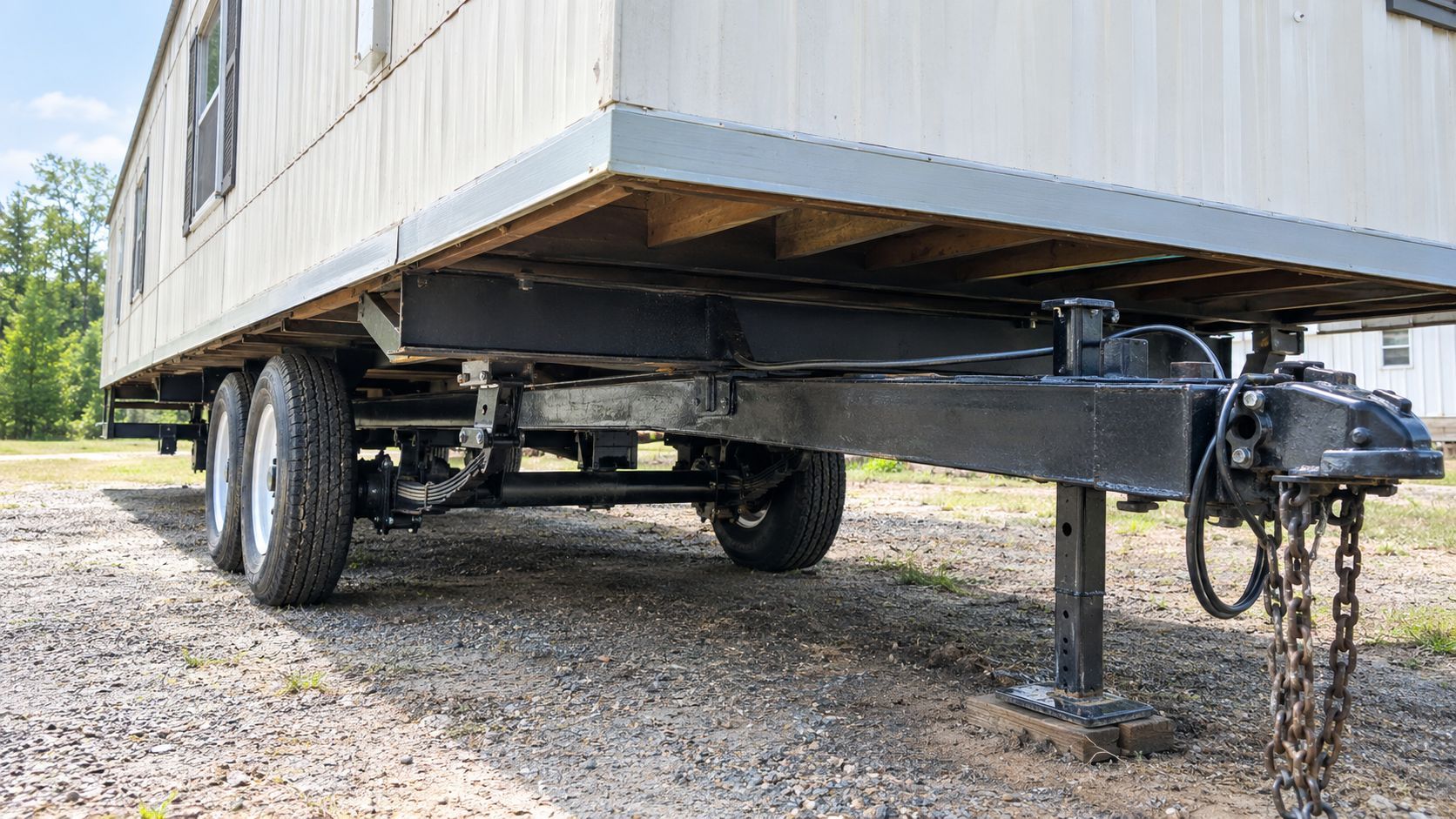
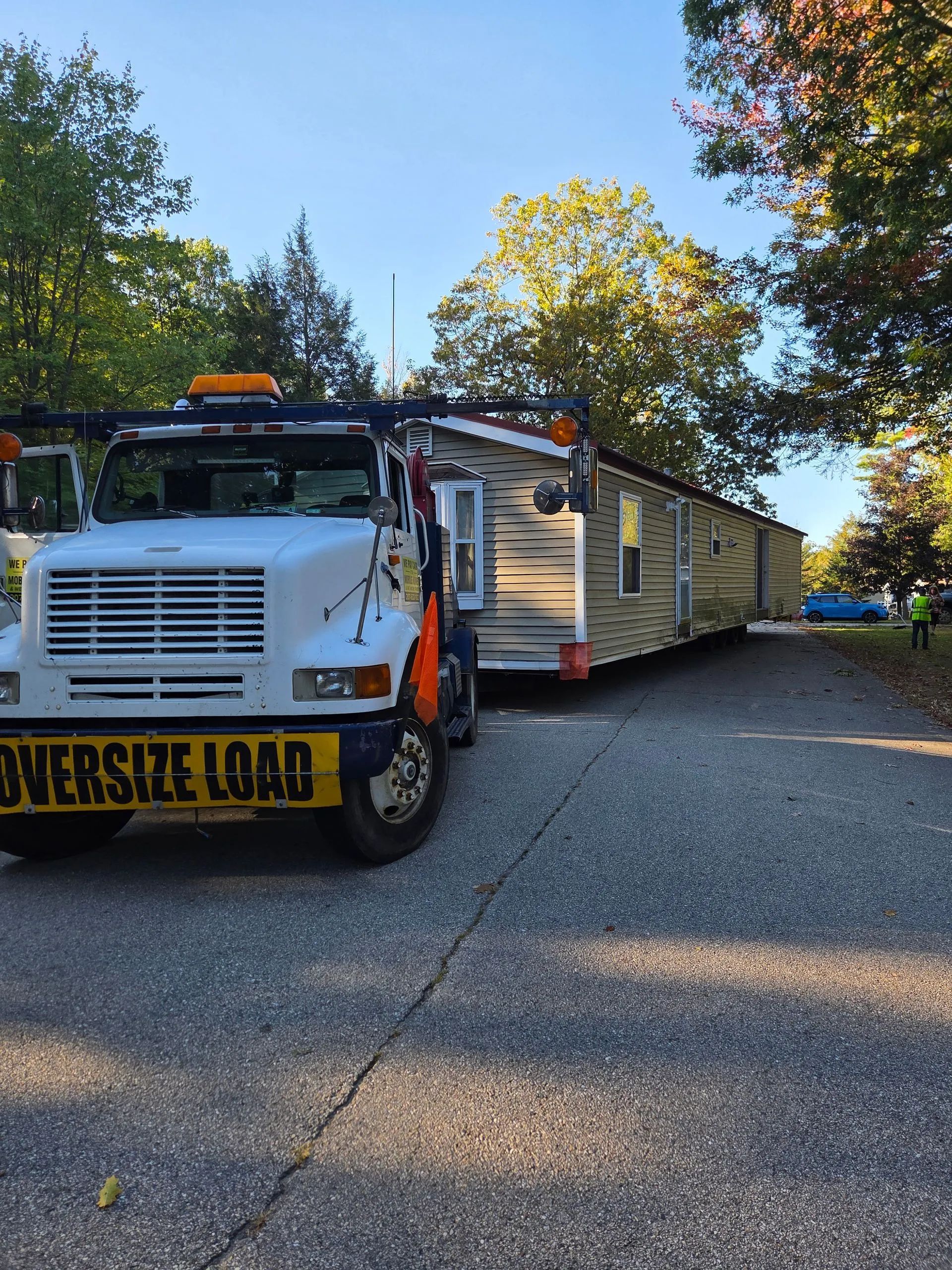
Single-wide homes can be transported using a single specialized trailer or flatbed truck. Their lighter weight reduces the risk of structural stress during lifting and moving. Hydraulic jacks, dollies, and tie-downs provide secure handling. Double-wide homes often require multiple trailers or modular transport equipment to move each section safely. Coordinated lifting and synchronization are critical to ensure both sections arrive at the site without misalignment or damage. Oversized load signage and escort vehicles are often mandated for double-wide moves, emphasizing the need for careful execution.
Timing and Weather Considerations
Both single-wide and double-wide moves are influenced by timing and environmental conditions. Dry, stable weather reduces the risk of foundation issues, transport delays, and structural strain. Rain or snow can complicate transport by affecting road conditions, creating hazards for oversized loads, and increasing setup difficulty. Scheduling moves during optimal weather windows enhances efficiency, safety, and overall success.
Setup Considerations: Preparing the Destination Site
Foundation and Leveling
Proper site preparation is essential for both types of mobile homes. Single-wide homes, with a lighter frame, typically require simpler foundation systems such as pier and beam supports, concrete blocks, or skirting pads. Leveling is straightforward but must be precise to prevent settling or structural distortion. Double-wide homes, due to their size and weight, necessitate more robust foundations, often combining pier systems with concrete pads or full basement options. Accurate leveling and secure anchoring are crucial to ensure long-term stability and prevent joint separation between sections.
Utility Connections
Both single-wide and double-wide homes must be connected to utilities, including water, electricity, gas, and sewer systems. Single-wide setups are often simpler due to linear design and compact footprint, which limits the distance of utility runs. Double-wide homes require careful planning of utility junctions at the connection points between sections. Plumbing, electrical, and HVAC systems must align precisely to prevent leaks, power loss, or operational inefficiencies.
Interior Integration
Double-wide homes require additional attention during interior setup. Walls and ceilings must align seamlessly, flooring joints must be secure, and insulation between sections must be verified. Single-wide homes typically do not face these challenges due to their single-section construction. Planning for interior finishes, cabinetry, and fixtures ensures a uniform look and functional performance in both home types.
Cost Implications: Budgeting for Success
Transportation Costs
Single-wide homes generally incur lower transportation costs because they are lighter, narrower, and can move with fewer permits and escorts. Double-wide homes, with larger dimensions and complex transport logistics, typically cost more due to oversized load permits, specialized equipment, and escort requirements. Understanding these cost differences helps homeowners plan and avoid unexpected expenses.
Setup and Site Preparation Expenses
Single-wide setups are often faster and require fewer materials for foundations and utility connections, resulting in reduced labor and supply costs. Double-wide homes, on the other hand, may require reinforced foundations, extended utility lines, and skilled labor for alignment and section integration. Factoring in these considerations allows for realistic budgeting and reduces the likelihood of overruns.
Insurance and Risk Mitigation
Both home types benefit from insurance coverage during transport and setup. Double-wide moves, due to their complexity and higher exposure to damage, often carry higher premiums. Homeowners should account for insurance as part of overall moving costs to safeguard against unexpected damages, accidents, or logistical delays.
Best Practices: Ensuring a Smooth Relocation
Pre-Move Inspections
Conducting thorough pre-move inspections is essential. Evaluating the structural integrity, checking for loose components, and verifying dimensions ensures homes are move-ready. Single-wide inspections focus on chassis stability and wall integrity, while double-wide inspections include joint reinforcement, roof alignment, and section interconnection readiness.
Professional Assistance
Professional moving specialists bring expertise, specialized equipment, and regulatory knowledge to both single-wide and double-wide relocations. Attempting a DIY move for either home type carries substantial risk of structural damage, injury, or legal violations. Expert guidance streamlines transport, reduces stress, and protects investment.
Clear Communication and Scheduling
Coordinating move timing, utility disconnections, site preparation, and permits is critical. Establishing a clear timeline for each stage—preparation, transport, setup, and post-installation inspection—prevents delays and ensures a coordinated process. For double-wide homes, communication between transport crews is especially important to synchronize the movement of both sections.
Post-Move Maintenance
After installation, inspecting foundations, utility connections, and interior joints is vital. Settling adjustments, skirting repairs, and minor leveling corrections may be necessary for both single-wide and double-wide homes. Regular maintenance preserves structural integrity, prolongs home lifespan, and ensures comfort for occupants.
Trusted Relocation Services by Worldlink Mobile Home Movers
Understanding the differences between single-wide and double-wide mobile homes is critical for successful relocation. Structural characteristics, transport logistics, setup considerations, and cost implications all influence planning and execution. Single-wide homes offer simpler, cost-effective solutions with streamlined setup, while double-wide homes provide expanded living space and customization but require more complex handling and infrastructure. Proper inspections, professional assistance, and meticulous scheduling ensure both types of homes move safely and efficiently, protecting the investment and maintaining long-term structural integrity.
At Worldlink Mobile Home Movers
in Naples, Maine, decades of experience have honed expertise in relocating both single-wide and double-wide homes. With 40
years in the field, our team understands the nuances of transport logistics, site preparation, and structural setup, delivering reliable, professional service every time. Homeowners can trust us to handle moves efficiently, safely, and with care, ensuring seamless transitions from start to finish. Our commitment to precision, regulatory compliance, and customer satisfaction positions Worldlink Mobile Home Movers
as a leading authority in mobile home relocation, providing peace of mind and exceptional results for every homeowner.
Share this article